Introduction
The world of managed services has become increasingly pivotal in the telecom and internet industries. As businesses strive to enhance operational efficiency and customer satisfaction, they often turn to managed service providers (MSPs) for solutions that encompass everything from logistics to cybersecurity. However, while managed services promise a streamlined approach to IT management, they also bring forth a unique set of challenges that require careful navigation. This article aims to dissect the critical challenges faced by managed services in telecom and the internet, explore the influence of emerging technologies, and propose strategies to mitigate these challenges.
Understanding Managed Services
Definition of Managed Services
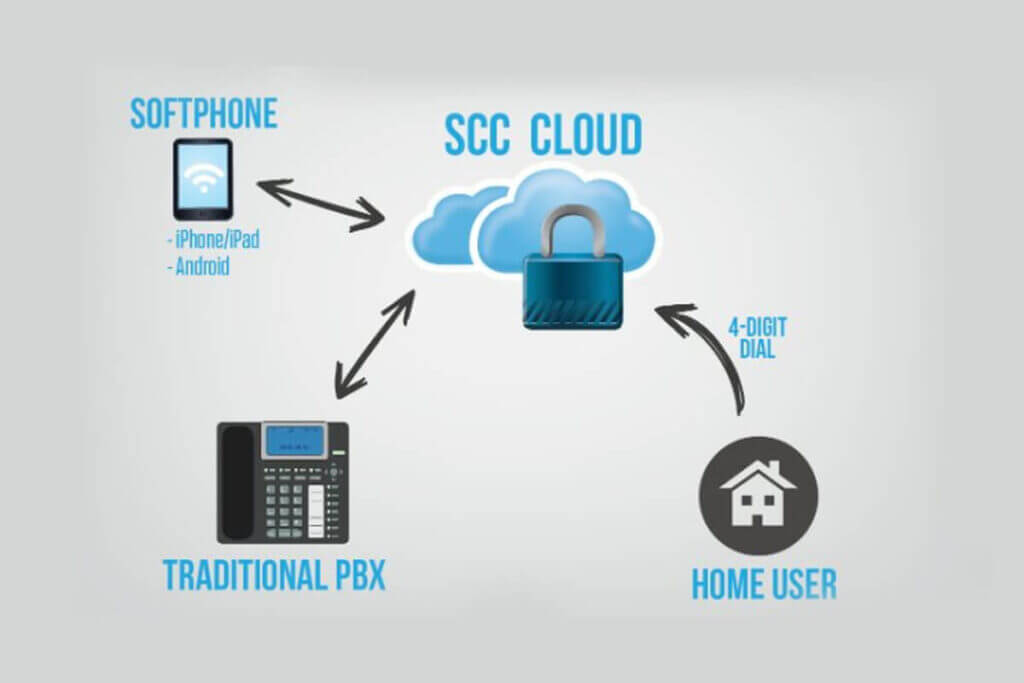
Managed services refer to the outsourcing of specific IT functions and responsibilities to a third-party provider. These services typically include monitoring, managing, and maintaining IT systems, networks, and infrastructure. The intention behind managed services is to allow businesses to focus on their core competencies while leveraging the expertise of a specialized provider. For the telecom and internet sectors, this can encompass a range of areas, including customer support, network management, and cybersecurity solutions.
Importance in Telecom and Internet Industries
In the highly competitive landscape of telecom and internet services, managed services play a crucial role in ensuring operational efficiency. Providers can streamline processes, improve service delivery, and enhance customer experiences. With technology evolving rapidly, the need for MSPs has grown, as they offer scalable solutions that can adapt to changing demands. Furthermore, with growing security concerns and regulatory pressures, managed services provide a necessary layer of protection and compliance that can be overwhelming for internal IT teams to manage alone.
Key Challenges in Managed Services
1. Network Reliability and Performance
One of the foremost challenges in managed services is ensuring network reliability and performance. As businesses increasingly rely on internet connectivity, any downtime or performance issue can severely impact operations and customer satisfaction. MSPs must consistently monitor network traffic, promptly identify bottlenecks, and implement quick resolutions to maintain optimal performance. Additionally, during peak usage times, ensuring the network can handle increased loads without compromising performance becomes crucial.
Moreover, the complexity of modern networks, which often include various services and platforms, can complicate performance management. Ensuring seamless integration and communication between different network components is essential for maintaining reliability. MSPs must continually invest in cutting-edge monitoring tools and employ skilled professionals to effectively manage network performance.
2. Security Risks and Data Protection
With the rise of cyber threats, security risks have become a significant concern for managed services in the telecom and internet industries. MSPs are responsible for safeguarding sensitive customer data and maintaining the integrity of their services. This involves implementing robust security protocols, including firewalls, encryption, and intrusion detection systems.
However, as cyberattack techniques evolve, so too must the security strategies of MSPs. Regular audits, employee training, and incident response plans are vital components in creating a security-first culture. Furthermore, the consequences of a data breach can be severe, ranging from financial losses to reputational damage, making proactive security measures imperative.
3. Compliance and Regulatory Issues
Compliance with industry regulations is another challenge faced by managed services in the telecom and internet sectors. MSPs must navigate an intricate web of legal requirements, which can vary significantly by region. These regulations often pertain to data privacy, consumer rights, and financial reporting, necessitating a thorough understanding of applicable laws.
Failure to comply can lead to hefty fines, legal repercussions, and loss of customer trust. Therefore, establishing a clear framework for compliance management is essential. Regular compliance training for employees, routine audits, and staying updated on regulatory changes can help mitigate the risks associated with non-compliance.
4. Scalability of Services
As businesses grow and evolve, so too must their IT solutions. Scalability is a critical challenge for managed services, especially in the fast-paced telecom and internet sectors. Providers must be prepared to adapt their offerings to align with the fluctuating needs of their clients, whether that means scaling up services during peak times or introducing new solutions as technology advances.
This demand for flexibility requires MSPs to adopt cloud-based solutions and virtualization technologies that allow for rapid scaling. However, ensuring that these solutions integrate seamlessly with existing infrastructure can pose its own set of challenges. Continuous planning and investment in scalable technologies are necessary to meet customer demands without compromising service quality.
5. Integration with Legacy Systems
Many telecom and internet providers still rely on legacy systems that pose considerable challenges for managed services. Integrating modern solutions with outdated technologies can lead to compatibility issues, increased complexity, and potential service disruptions. MSPs must often navigate these integration challenges while keeping costs manageable and minimizing downtime.
To overcome these hurdles, it is essential for MSPs to develop a comprehensive understanding of their clients’ existing infrastructure. Through careful planning and a step-by-step approach to integration, providers can ensure a smooth transition and reduce the risks associated with modernizing legacy systems.
6. Service Level Agreement (SLA) Management
Establishing and managing Service Level Agreements (SLAs) is critical in maintaining client satisfaction and trust. SLAs outline the expected level of service, response times, and performance metrics, providing a framework for accountability. However, adhering to these agreements can be challenging, particularly in scenarios where external factors impact service delivery.
Effective SLA management requires constant monitoring and communication between the MSP and its clients. Regular reviews of SLA performance, coupled with transparent reporting, can help ensure that both parties maintain a mutual understanding of expectations and performance. Additionally, flexibility in adjusting SLAs to accommodate changing business needs is important for long-term relationships.
Emerging Technologies and Their Impact
Impact of 5G on Managed Services
The rollout of 5G technology is poised to revolutionize managed services in telecom and internet. With significantly faster speeds and lower latency, 5G enables new applications and services that were previously impractical. For managed service providers, this means an opportunity to expand offerings, such as enhanced IoT solutions, improved mobile services, and advanced data analytics capabilities.
However, the implementation of 5G also brings challenges, including the need for infrastructure investments and ensuring compatibility with existing technologies. MSPs must work closely with telecom operators to navigate these challenges and maximize the benefits of 5G adoption, ensuring that their clients can leverage this technology for increased efficiency and competitiveness.
Role of Artificial Intelligence and Automation
Artificial Intelligence (AI) and automation are transforming the landscape of managed services by streamlining operations and enhancing service delivery. Through AI-driven analytics, MSPs can gain valuable insights into network performance, customer behavior, and potential security threats, allowing for proactive decision-making.
Automation plays a critical role in reducing manual workloads and increasing efficiency. By automating routine tasks such as monitoring, reporting, and incident response, MSPs can free up valuable resources to focus on more strategic initiatives. However, implementing these technologies requires careful planning and a commitment to continuous improvement to truly realize their potential.
Strategies to Overcome Challenges
Investing in Advanced Security Measures
To address security risks, managed service providers should invest in advanced security measures that encompass both technology and processes. This includes deploying next-generation firewalls, intrusion prevention systems, and endpoint protection solutions to safeguard networks. Regular security assessments and penetration testing can help identify vulnerabilities and ensure that security measures are effective.
Additionally, fostering a security-first culture within the organization is crucial. This involves continuous training for employees on security best practices, creating awareness of potential threats, and developing clear protocols for incident response. By prioritizing security, MSPs can build trust with their clients and protect sensitive data.
Enhancing Customer Support and Communication
Effective communication and customer support are fundamental for successful managed services. MSPs should establish clear channels of communication with clients, ensuring they are informed about service updates, performance metrics, and any potential issues. Regular check-ins and feedback sessions can foster strong relationships and provide opportunities for improvement.
Furthermore, investing in customer support systems, such as ticketing platforms and chatbots, can enhance responsiveness and service quality. By addressing concerns promptly and transparently, MSPs can improve customer satisfaction and retention in a highly competitive market.
Utilizing Cloud Solutions for Scalability
Cloud technologies offer a scalable solution for managed services, enabling providers to quickly adapt to changing client needs. By leveraging cloud infrastructure, MSPs can increase storage capacity, enhance processing power, and deploy new applications without significant upfront costs. This flexibility is invaluable for accommodating fluctuating business demands.
However, migrating to the cloud requires careful planning and execution to minimize disruptions. MSPs should develop a clear cloud strategy that outlines objectives, timelines, and potential risks, ensuring a smooth transition and optimal performance. Continuous monitoring and optimization post-migration are also essential to fully realize the benefits of cloud solutions.
Future of Managed Services in Telecom and Internet
Trends to Watch
As the telecom and internet industries evolve, several key trends are emerging within managed services. The shift towards digital transformation is prompting businesses to seek more comprehensive IT solutions that encompass not only infrastructure management but also analytics and strategic consulting. Additionally, the growing emphasis on sustainability is driving demand for eco-friendly technologies and practices within managed services.
Moreover, remote work and the rise of the gig economy are reshaping service delivery models, necessitating MSPs to adapt their offerings to accommodate a more distributed workforce. As these trends continue to develop, managed service providers must remain agile and responsive to meet the changing needs of their clients.
Predictions for Industry Growth
The managed services market is expected to continue its robust growth in the coming years, fueled by increasing reliance on technology and demand for specialized IT solutions. According to market research, the global managed services market is projected to reach significant growth milestones, driven by advancements in cloud computing, AI, and cybersecurity.
Furthermore, as businesses increasingly recognize the value of outsourcing IT functions, MSPs who can effectively address challenges and leverage emerging technologies will likely position themselves as leaders in the industry. Investing in innovation and fostering strong client relationships will be essential for sustained growth and success in the evolving landscape of managed services.
Conclusion
Managed services play a vital role in the telecom and internet industries, offering streamlined solutions that can enhance operational efficiency and customer satisfaction. However, the challenges associated with network reliability, security, compliance, and scalability demand careful attention and proactive strategies. By investing in advanced security measures, enhancing communication, and utilizing cloud solutions, managed service providers can navigate these challenges effectively.
As the industry continues to evolve, embracing emerging technologies such as 5G and AI will be critical for MSPs seeking to remain competitive. By staying informed of trends and adapting to changing demands, managed services can continue to thrive in an increasingly complex digital landscape.
FAQs
What are managed services?
Managed services involve outsourcing specific IT functions to specialized providers, allowing businesses to focus on their core competencies.
What challenges do managed service providers face?
Key challenges include network reliability, security risks, compliance issues, scalability, integration with legacy systems, and SLA management.
How can MSPs improve security?
MSPs can enhance security by investing in advanced technologies, conducting regular audits, and fostering a security-first culture among employees.
What role does cloud technology play in managed services?
Cloud technology provides scalable solutions that allow MSPs to adapt quickly to changing client needs and enhance service delivery.
What trends should MSPs watch for in the future?
MSPs should pay attention to trends such as digital transformation, sustainability, and the rise of remote work, as these will shape service delivery models.