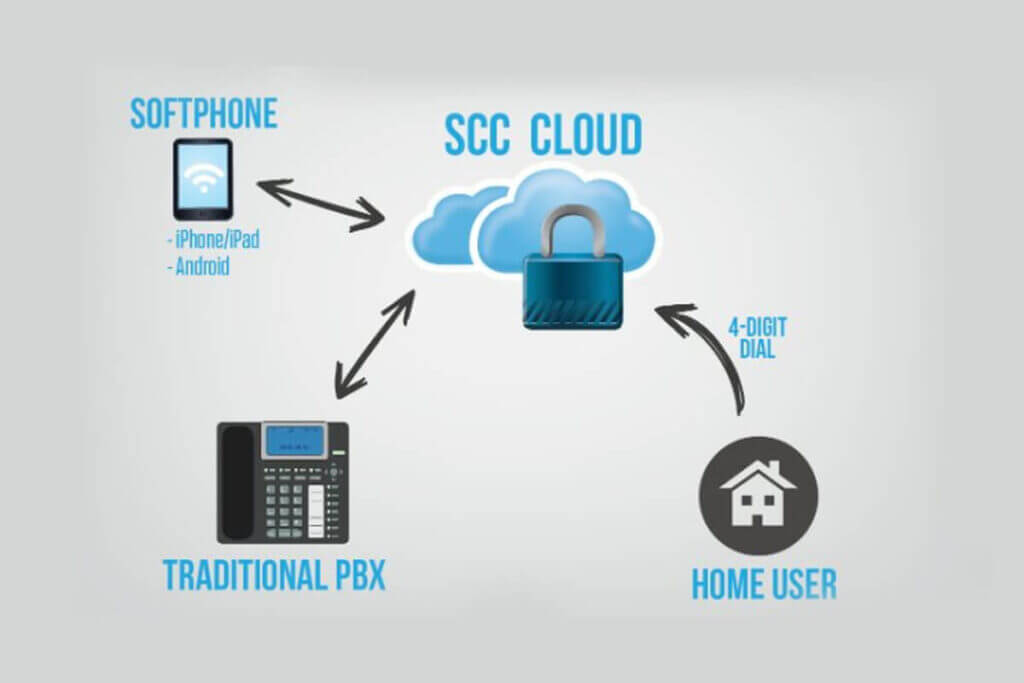
Managed connectivity services put one provider in charge of every circuit, router and carrier relationship across your locations, so outages get caught and fixed before staff notice
In today’s fast-paced digital era, the connectivity of an enterprise is paramount for achieving operational efficiency and enhancing competitive advantage. This article explores the integral role of managed services in optimizing enterprise connectivity, ultimately driving performance, productivity, and security. With organizations facing a multitude of challenges associated with data management, network performance, and cybersecurity, managed services have emerged as a critical solution for businesses aiming to streamline their operations and maintain robust connectivity.
Understanding Managed Services
What Are Managed Services?
Managed services refer to the practice of outsourcing certain IT functions to third-party providers, known as Managed Service Providers (MSPs). These providers take on the responsibility for managing and monitoring an organization’s IT infrastructure and end-user systems, allowing companies to focus on their core business activities. By leveraging expert knowledge and advanced technologies, MSPs enable enterprises to enhance operational efficiency, reduce costs, and maintain a competitive edge in their respective markets.
Types of Managed Services
Managed services encompass a wide range of offerings, including:
- Network Management: Monitoring and maintaining network performance to ensure seamless connectivity.
- Security Services: Implementing cybersecurity measures to protect data and networks from threats.
- Cloud Services: Facilitating cloud integration and management to support scalable business operations.
- Data Backup and Recovery: Ensuring data integrity and availability through regular backups and disaster recovery plans.
- Help Desk Services: Providing technical support to users for resolving IT-related issues efficiently.
Benefits of Utilizing Managed Services
Organizations that adopt managed services experience several benefits, including cost savings, access to specialized expertise, and improved operational efficiency. By outsourcing IT functions, companies can lower their overhead costs related to hiring, training, and retaining staff. Additionally, MSPs offer 24/7 support and proactive monitoring, ensuring that issues are resolved swiftly, minimizing downtime and disruptions.
Moreover, managed services allow organizations to stay abreast of the latest technological advancements, as MSPs constantly update their services and solutions in response to evolving industry standards and threats. This proactive approach enables businesses to focus on their core competencies while entrusting their IT needs to experts.
Enterprise Connectivity: Challenges and Solutions
Common Connectivity Challenges in Enterprises
Enterprises today face numerous connectivity challenges, including network congestion, limited bandwidth, and inadequate infrastructure. As organizations expand and embrace remote work, the demand for reliable and high-speed connectivity has surged, exposing limitations in traditional network setups. Additionally, disparate systems and legacy hardware can create silos, leading to inefficiencies and communication breakdowns.
The Need for Efficient Connectivity Solutions
Efficient connectivity solutions are crucial for ensuring that employees can collaborate seamlessly, access information swiftly, and deliver services promptly. As businesses increasingly rely on digital tools and platforms, the ability to maintain uninterrupted connectivity becomes paramount. Without it, organizations risk reduced productivity, impaired customer service, and potential revenue loss.
Role of Managed Services in Addressing Challenges
Managed services address these connectivity challenges by providing tailored solutions that enhance network performance and reliability. MSPs can assess an organization’s current infrastructure and devise strategies to optimize bandwidth usage, implement advanced networking technologies, and facilitate integration across different platforms. By leveraging their expertise, managed service providers can ensure that enterprises maintain a robust and scalable connectivity framework that supports their growth and operational needs.
How Managed Services Enhance Connectivity
Network Management and Optimization
One of the primary functions of managed services is network management and optimization. MSPs utilize advanced monitoring tools and analytics to assess network performance in real-time, identifying bottlenecks and vulnerabilities. By proactively addressing issues before they escalate, managed services enable organizations to maintain consistent connectivity and performance across their networks.
Furthermore, MSPs implement optimization strategies, such as load balancing and traffic shaping, to ensure that bandwidth is allocated efficiently. This means that critical applications receive the resources they need, while non-essential traffic is deprioritized during peak usage times. As a result, enterprises can achieve enhanced reliability and user experience.
Data Security and Compliance
In an era where cyber threats are increasingly sophisticated, ensuring data security is a critical component of enterprise connectivity. Managed services play a vital role in safeguarding sensitive information by implementing comprehensive security measures. These measures include firewall management, intrusion detection systems, and regular security audits to identify and remediate vulnerabilities.
Additionally, MSPs help organizations comply with industry regulations and standards by establishing protocols and procedures that protect data and privacy. By integrating security into the connectivity framework, managed services minimize risks and allow enterprises to operate confidently in the digital landscape.
Cloud Services and Integration
The rise of cloud computing has transformed how enterprises manage their data and applications. Managed services facilitate cloud services and integration, allowing organizations to leverage scalable solutions that adapt to their changing needs. MSPs can assist in migrating existing systems to the cloud, ensuring minimal disruption while optimizing performance and reliability.
Furthermore, managed services support hybrid and multi-cloud environments, enabling organizations to utilize various cloud platforms while maintaining a cohesive connectivity strategy. This flexibility allows enterprises to innovate and respond to market demands without being hindered by rigid infrastructures.
Future Trends in Managed Services and Connectivity
Emerging Technologies Impacting Managed Services
As technology continues to evolve, new trends are emerging that will shape the managed services landscape. The rise of artificial intelligence (AI) and machine learning is transforming how MSPs monitor and manage networks. These technologies enable predictive analytics, allowing for proactive issue resolution and enhanced decision-making capabilities.
Moreover, the proliferation of Internet of Things (IoT) devices presents both opportunities and challenges for managed services. MSPs must adapt to the growing number of connected devices by implementing robust management and security protocols to accommodate the increasing complexity of enterprise environments.
Predictions for Enterprise Connectivity
Looking ahead, enterprises will increasingly rely on managed services to navigate the complexities of connectivity in a hybrid work environment. The demand for seamless integration across diverse platforms will drive the adoption of managed services that offer comprehensive solutions tailored to specific industry requirements.
Additionally, as organizations prioritize digital transformation, the need for scalable and secure cloud solutions will continue to grow. Managed service providers must evolve to meet these demands by offering innovative services that enhance connectivity, security, and overall performance.
Strategic Recommendations for Enterprises
To harness the full potential of managed services, enterprises should take a proactive approach in selecting the right provider. Conducting thorough assessments of potential MSPs, including their track record, service offerings, and customer support, will ensure a successful partnership. Furthermore, organizations should establish clear expectations and performance metrics to evaluate the effectiveness of the managed services they receive.
Investing in continuous training and collaboration with the MSP can also foster a culture of innovation and improvement. By aligning their strategic goals with the capabilities of managed services, enterprises can optimize their connectivity and position themselves for long-term success.
Conclusion
Summary of Key Points
Managed services play a critical role in optimizing enterprise connectivity by addressing challenges related to network performance, data security, and cloud integration. By partnering with an experienced MSP, organizations can enhance their operational efficiency, reduce costs, and stay competitive in a rapidly changing digital landscape.
The Importance of Adopting Managed Services
In conclusion, the adoption of managed services is essential for enterprises seeking to navigate the complexities of connectivity in today’s technology-driven world. As businesses continue to evolve and rely on digital tools, managed services provide the expertise and resources necessary to maintain robust and secure connections.
FAQs
What are managed services?
Managed services involve outsourcing IT functions to third-party providers who manage and monitor an organization’s IT infrastructure, allowing companies to focus on core business operations.
How do managed services enhance connectivity?
Managed services enhance connectivity by providing network management, data security, cloud services, and proactive monitoring to ensure optimal performance and reliability.
What are the benefits of using managed services?
Benefits include cost reduction, access to specialized expertise, improved operational efficiency, and enhanced data security.
What challenges do enterprises face regarding connectivity?
Common challenges include network congestion, limited bandwidth, and inadequate infrastructure, which can disrupt operations and hinder productivity.
How can enterprises choose the right managed service provider?
Enterprises should assess potential MSPs based on their expertise, service offerings, track record, and ability to meet specific business needs.