Proven strategies. Real results.
Trusted expertise.
Explore our case studies and insights to learn how our unified, cloud-based solutions and signature service model deliver performance, compliance, and lasting impact across industries.

Trends and Technologies Shaping Workplace Collaboration in 2024
As we approach 2024, it’s clear that the landscape of workplace collaboration is rapidly evolving. The way we work, communicate, and collaborate has undergone a seismic shift in recent years, propelled by technological advancements and reshaped by global events such as the pandemic. Looking ahead, several key trends and technologies promise to further transform workplace collaboration, making it more efficient, inclusive, and dynamic.
Hybrid Work EnvironmentsThe hybrid work model, a blend of remote and in-office work, is here to stay. In 2024, we’ll see a greater emphasis on creating seamless experiences for employees, regardless of their physical location. Technologies that support this trend include advanced video conferencing tools, virtual whiteboards, and collaborative project management software like those provided with Microsoft Teams. These tools not only bridge the gap between in-person and remote workers but also enhance the overall productivity and inclusivity of the team.
AI and AutomationArtificial Intelligence (AI) and automation are set to play a pivotal role in workplace collaboration. AI-driven tools can automate routine tasks, freeing up valuable time for employees to focus on more complex and creative work. From AI assistants scheduling meetings to language processing tools aiding in real-time communication across language barriers, these advancements are making collaboration more efficient and accessible.
Enhanced Communication ToolsCommunication is the backbone of effective collaboration. In 2024, expect to see a surge in the development and adoption of enhanced communication tools. These may include next-generation chat applications, smarter email platforms, and integrated communication systems that consolidate messages from various channels into a single interface. The goal is to reduce clutter and streamline communication, making it easier for teams to stay connected and aligned.
Virtual and Augmented Reality (VR/AR)While still in its early stages, VR and AR technology is poised to create immersive collaboration experiences. Imagine virtual meeting rooms where remote participants can interact as if they were in the same physical space or AR tools that allow workers to collaborate on 3D models or simulations in real time. These technologies can revolutionize design, engineering, and creative processes, fostering a new level of collaboration.
Emphasis on CybersecurityWith the rise of remote work and the increasing reliance on digital collaboration tools, cybersecurity will remain a top priority. Companies will need to invest in secure collaboration platforms that protect sensitive information while still offering a user-friendly experience. This includes end-to-end encryption, secure file-sharing capabilities, and regular security audits.
Focus on Employee Well-beingFinally, there’s a growing recognition of the importance of employee well-being in the context of workplace collaboration. Tools and technologies that support mental health, work-life balance, and stress reduction will become increasingly important. This might include apps for mindfulness and stress management, features that encourage regular breaks, or analytics tools that help identify and prevent burnout.
As we look to 2024, it’s an exciting time for workplace collaboration. The trends and technologies on the horizon have the potential to create more dynamic, inclusive, and efficient work environments. By embracing these changes, organizations can position themselves for success in an ever-evolving business landscape.


An End-of-Year Checklist for IT Departments
As the year draws to a close, IT departments face the crucial task of preparing for the upcoming year. This period is an opportune time for reflection, evaluation, and forward planning, especially in the realms of voice communications, internet infrastructure, and collaboration tools. These elements are pivotal in today’s digitally connected workplace, and their efficient functioning is central to organizational success. By following this end-of-year IT checklist, departments can ensure readiness for the challenges of the year ahead.
Year-End Review and Planning- Evaluating Current Systems: Assess the performance and reliability of existing voice, internet, and collaboration tools. This includes checking uptime, user feedback, and any recurring issues.
- Future Needs Analysis: Anticipate future needs based on company growth projections or changes in work patterns (like remote work).
- Budget Planning: Review the past year’s spending and allocate budget for upgrades, new tools, or additional resources needed for the next year.
- Data Security: Ensure that all communication tools are compliant with security standards and that data encryption is in place.
- Software Updates: Schedule necessary updates or patches to improve security and functionality.
- Compliance Check: Review compliance with relevant regulations (like GDPR, HIPAA) especially in communication and data storage.
Including security protocols in your end-of-year IT checklist ensures that your systems remain compliant and resilient against emerging threats.
Infrastructure and Technology Upgrades- Hardware Assessment: Evaluate the need for new hardware for improved voice and internet connectivity.
- Software Upgrades: Consider upgrading or changing collaboration tools to better suit team needs.
- Integration: Look into better integration of different tools like Microsoft Teams for seamless user experience.
- Training Programs: Plan end-of-year or new-year training sessions for employees on any new tools or features.
- Support Structure: Review and possibly enhance the IT support structure to ensure quick resolution of issues.
- Monitoring Tools: Ensure robust monitoring systems are in place for tracking the performance of voice and internet services.
- Usage Analytics: Analyze data on tool usage to understand patterns and identify potential areas for improvement.
- Hybrid Work Infrastructure: Given the rise in remote work, ensure that your collaboration tools support effective remote working.
- Feedback from Employees: Collect feedback on the effectiveness of these tools in facilitating communication and collaboration.
- Review Disaster Recovery Plans: Ensure that the plans are up-to-date and cover all critical communication tools.
- Test Backups: Regularly test backups of critical data and systems.
A thorough end-of-year IT checklist should also include a review of disaster recovery plans and the effectiveness of business continuity strategies.
Vendor Assessment and Relationship Management- Review Vendor Performance: Assess the performance of current vendors and consider alternatives if necessary.
- Review Contracts: Year-end is a good time to ensure contracts are up to date with the best rates or services.
Emerging Trends: Stay informed about new technologies and trends in voice, internet, and collaboration tools that could benefit the company.
Customized Solutions for Unique ChallengesDepartment-Specific Needs: Identify and address any unique challenges or needs of different departments within the organization.
ConclusionBy focusing on this end-of-year IT checklist, IT departments can position their organizations for success in the upcoming year. From reviewing security protocols to upgrading infrastructure and planning for future needs, this systematic approach ensures that communication and collaboration systems are robust, secure, and ready to meet the challenges of tomorrow.

Does My IT Department Have to Manage All of Our Technology?
Information Technology (IT) departments are increasingly becoming the backbone of organizations across various industries. However, with this central role comes a multitude of challenges, primarily due to the diverse demands placed on these departments. From maintaining robust internet connectivity to managing sophisticated collaboration tools and ensuring seamless voice communication, IT professionals are often pulled in many directions, leading to potential inefficiencies and burnouts.
The Challenges Facing IT DepartmentsDiverse Technology Demands: IT departments are tasked with managing a wide range of technologies – from traditional voice communications to modern collaboration tools. Balancing these diverse requirements often leads to stretched resources and conflicting priorities.
Rapid Technological Evolution: The constant evolution of technology means IT departments must continuously adapt and learn new skills, often on the fly.
Security Concerns: With the rise of cyber threats, IT professionals must ensure the security of voice, internet, and collaboration tools without hindering accessibility or functionality.
Budget Constraints: Despite their critical role, many IT departments face budget constraints, making it challenging to acquire or upgrade necessary technologies.
Strategies for Managing Voice, Internet, and Collaboration ToolsIntegrated Solutions: Adopt unified communications platforms that integrate voice, video, messaging, and collaboration tools. This reduces the need to manage multiple standalone systems and simplifies user experience.
Cloud-Based Services: Leverage cloud-based solutions for scalability and flexibility. Cloud services can offer cost-effective and secure options for various IT needs, including data storage, collaboration, and communication tools.
Regular Training and Skill Development: Ensure that IT staff receive ongoing training to keep up with the latest technological advancements. This can be achieved through workshops, webinars, and certification courses.
Prioritization and Delegation: Develop a system to prioritize tasks based on urgency and importance. Delegate responsibilities effectively to avoid overburdening certain team members.
Vendor Partnerships: Establish strong relationships with technology vendors. This can provide access to better support, training, and insights into upcoming technologies and trends.
Feedback Loops: Implement regular feedback mechanisms from users to understand their challenges and needs better. This can help in tailoring IT services more effectively.
Automated Solutions: Utilize automation wherever possible to reduce repetitive tasks and free up time for more critical functions.
Regular Audits and Assessments: Conduct periodic audits of the existing technology stack to identify redundancies, underutilized resources, and areas for improvement.
IT departments play a crucial role in the seamless operation of modern organizations. By embracing integrated solutions, outsourcing, focusing on skill development, and leveraging automation and cloud services, they can more effectively manage the plethora of responsibilities they face. Adopting these strategies will not only streamline operations but also enhance overall organizational productivity and employee satisfaction.
A Year of Evolution and Growth for SmartChoice
As 2023 draws to a close, we reflect on a year marked by significant growth and transformation at SmartChoice. Amid a world reshaped by the pandemic, evolving technologies, and economic pressures, we’ve adapted and evolved, significantly impacting how we communicate and connect both internally and with our clients and agent partners.
Strengthening Our Roots in St. PetersburgA significant milestone this year was our move to a new, more expansive office in St. Petersburg, Florida. Since establishing our presence in the city in 2021, we’ve grown rapidly, necessitating this move to accommodate our expanding team and client base. This new office symbolizes our commitment to growth and our dedication to being at the heart of innovation and customer service in the region.
Empowering IT Departments and Streamlining OperationsThis year also marked our continued focus on empowering IT departments. Recognizing the growing trend of outsourcing for cost reduction and efficiency, SmartChoice has become a pivotal partner for businesses. The SmartChoice platform allows IT departments to offload the complex tasks of improving, managing, and maintaining their networks, enabling them to concentrate on core business strategies.
Enhancing Partner Support with Our New Agent PortalWe would be nowhere without our agent partners, which is why 2023 also saw the launch of our new Agent Portal, a significant advancement in supporting them and, by extension, our joint customers. This streamlined portal offers quick access to essential information, including customer details, account status, service overviews, and financials like bills, payments, and commission statements. Designed for efficiency, it ensures our agents have immediate access to the data they need, facilitating better customer service and more effective collaboration.
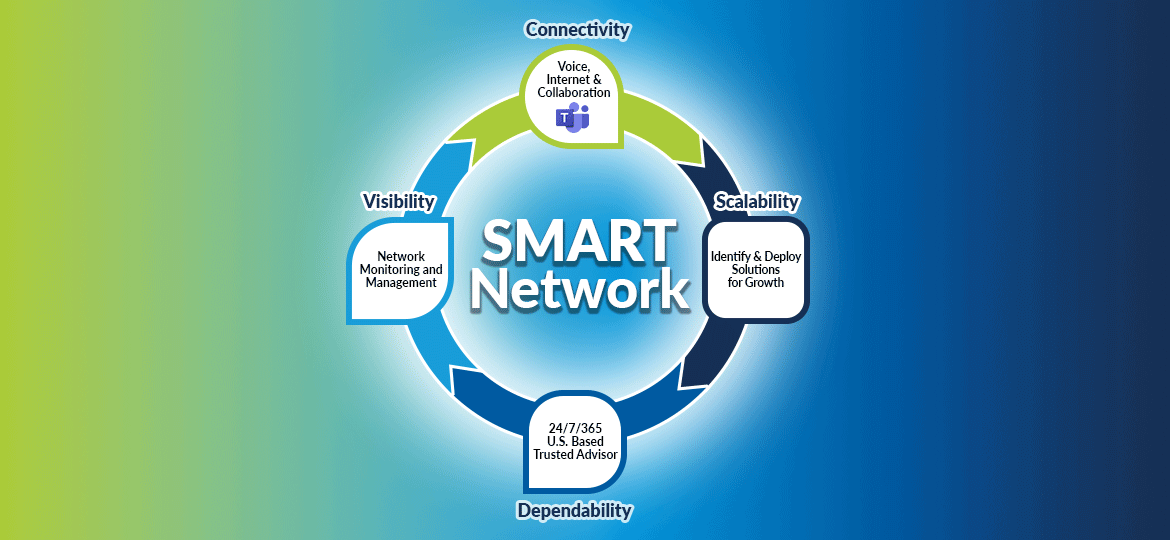
Looking Ahead to 2024As we approach 2024, we will be talking a lot more about the concept of SmartNetwork, a breakthrough in the way businesses approach network management. SmartNetwork is a comprehensive solution that merges voice, internet, collaboration software, and operational technology into one cohesive platform. It reflects our understanding of the modern business landscape, where seamless integration of various communication systems is essential for success.
Our commitment to innovation and service excellence remains stronger than ever. We look forward to breaking new ground, exploring innovative solutions, and deepening our relationships with clients and communities.
All my best,
Jarrett Wolfe
Managing Partner
SmartChoice

Financial Group Partners with SmartChoice for Voice and Security Solutions
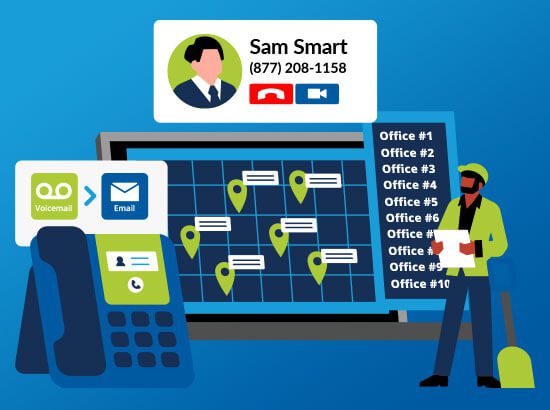
Worldwide Construction Company Unifies Global Offices
Get familiar with SmartChoice products
Watch SmartChoice communication and collaboration solutions videos to learn how our tools can transform your business productivity and connectivity.
Become a partner
Extend your offering with enterprise-grade voice and connectivity solutions, backed by our 24/7/365 support—based in the U.S.


Connect with us
Book a discovery call to discuss how we can help you consolidate, standardize, and scale your enterprise communication infrastructure.