Proven strategies. Real results.
Trusted expertise.
Explore our case studies and insights to learn how our unified, cloud-based solutions and signature service model deliver performance, compliance, and lasting impact across industries.
Benefits of Managed WiFi for Businesses
In today’s fast-paced business world, reliable connectivity is crucial. A managed wireless network offers a solution that meets this need.
Businesses are increasingly turning to managed WiFi services for their wireless network needs. These services provide a secure and efficient network infrastructure.
Managed WiFi solutions offer professional management and monitoring, easing the burden on in-house IT teams. This allows businesses to focus on their core operations.
With managed wireless services, companies can enjoy improved network performance and connectivity. This leads to enhanced productivity and customer satisfaction.
Discover how a managed WiFi system can transform your business operations and provide a competitive edge.
What is Managed WiFi?Managed WiFi is a service where an external provider handles all aspects of a business’s wireless network. This includes the setup, monitoring, and ongoing management of the network.
With a managed wireless network, businesses benefit from professional oversight without the need for extensive in-house resources. This approach ensures seamless connectivity and optimal performance.
Managed WiFi solutions typically include a range of services. Some of the key components are:
- Network Design and Installation
- Real-Time Monitoring and Troubleshooting
- Security Management and Compliance
In addition to these services, managed WiFi offers scalability and flexibility. Businesses can easily expand or modify their network as their needs change. By relying on these services, companies can ensure a consistent, high-quality wireless experience for employees and customers alike.
Key Features of Managed Wireless ServicesThese managed wireless services offer a comprehensive set of features designed to enhance network performance. These services support seamless operation and provide secure connectivity.
One key feature is professional network management. This includes 24/7 monitoring and maintenance to identify issues before they escalate. Managed wireless services ensure minimal downtime and optimize network resources.
Another essential aspect is robust security measures. Managed WiFi solutions incorporate advanced encryption and regular security updates. They help businesses remain compliant with industry standards and regulations.
Additionally, managed WiFi systems provide detailed analytics and reporting tools. These tools offer insights into network usage and performance, helping optimize and manage bandwidth effectively.
- 24/7 Monitoring and Maintenance
- Advanced Security with Encryption
- Comprehensive Analytics and Reporting
- Compliance with Industry Standards
These features make managed wireless services a reliable choice for businesses seeking efficient and secure wireless networks. Such comprehensive services enable smooth network operations and scalability to meet evolving business needs.
Top Benefits of Managed WiFi for BusinessesManaged services for WiFi offer significant advantages that benefit businesses across various sectors. These benefits include enhanced security, cost savings, and improved network efficiency. Businesses leveraging these solutions gain a competitive edge through better connectivity and network management.
First, managed wireless network solutions boost security. They offer comprehensive security measures such as encryption and threat detection. Regular updates ensure networks remain compliant with legal standards.
Moreover, these services are adaptable. Managed WiFi systems scale easily to meet the growing needs of businesses. This scalability ensures that as operations expand, so does the network infrastructure.
Cost control is another crucial advantage. This model eliminates the need for in-house network specialists, providing a predictable monthly expense. This financial predictability helps businesses plan budgets effectively.
Reliability in connectivity is a top priority for businesses. Managed business WiFi enhances both performance and reliability with proactive maintenance. This approach minimizes downtime and resolves issues swiftly.
The customization of managed WiFi services meets specific business needs. Providers tailor solutions to business size and industry. This personalized approach optimizes performance and maximizes resource use.
Analytics and monitoring are significant perks as well. Detailed reports reveal user behavior and network performance, supporting informed business decisions.
These advantages make managed solutions a strategic investment for modern businesses. Managed solutions transform networks from operational necessities into strategic assets.
- Enhanced security protocols
- Scalable to business growth
- Customized solutions
- Reliable connectivity
- Proactive maintenance and support
- Detailed analytics and reporting
by Vitaly Gariev (https://unsplash.com/@silverkblack)
Enhanced Security and ComplianceSecurity is a major concern for all businesses. Managed wireless services address these concerns with robust security solutions. These include advanced encryption and frequent updates to prevent cyber threats.
Managed WiFi solutions help businesses comply with industry standards. They manage compliance through timely updates and threat detection, keeping businesses safe from potential breaches.
Offering a strategic approach to network management, these services maintain strong data protection. Managed solutions leverage cutting-edge security protocols for peace of mind.
- Encryption and Threat Detection
- Regular Security Updates
- Compliance with Standards
Managed wireless network solutions offer unmatched scalability. These systems easily adjust as businesses grow, supporting more users and devices without performance loss.
Flexibility is crucial to respond to changing business needs. These services support businesses by adapting to evolving requirements seamlessly.
As more devices connect in a digital world, flexible systems are essential. Such managed wireless services ensure smooth operations without hindering growth.
- Support for more users and devices
- Adaptable to business changes
- Seamless expansion capabilities
Managed wireless services provide financial predictability and savings for businesses. Eliminating the need for extensive in-house IT reduces operational costs significantly.
These solutions offer a clear, predictable monthly cost, aiding in budget planning. Businesses can allocate funds effectively with this financial transparency.
The cost-effectiveness of managed services extends to reducing hardware expenses. Providers maintain network systems with minimal additional equipment.
- Predictable monthly costs
- Reduced need for IT staff
- Lower hardware expenses
Businesses must ensure their network performance is strong and dependable. Managed wireless network solutions deliver this through proactive maintenance.
These services optimize network resources, ensuring stable and fast connections. As a result, businesses experience fewer disruptions and reliable performance.
Proactive WiFi management resolves issues before they escalate. Advanced monitoring and maintenance ensure network reliability.
- Proactive maintenance and monitoring
- Optimized resource use
- Fewer disruptions, reliable performance
Through these benefits, modern WiFi management enhances business operations. It transforms networks into powerful tools for growth and efficiency.
How Managed Wireless Networks Support Business GrowthManaged wireless network systems play a vital role in driving business growth. They provide a strong foundation for digital transformation initiatives by offering advanced connectivity solutions.
These systems support the integration of new technologies such as IoT and cloud services. Businesses leverage these technologies to innovate and streamline operations.
Centralized management simplifies network control across multiple locations. This enhances decision-making processes and ensures consistent network quality everywhere.
Additionally, managed wireless services provide data analytics, offering insights into user behavior. These insights help businesses tailor their services to improve customer satisfaction.
- Integration with IoT and cloud services
- Centralized network management
- Enhanced decision-making with data analytics
by Md Ishak Rahman (https://unsplash.com/@mdishakrahman)
This approach supports agile operations and positions companies for future advancements. This strategic asset aligns network capabilities with business goals, fostering sustainable growth.
Industries Benefiting from Managed Wireless Network SolutionsVarious industries can reap the benefits of managed WiFi services. Hospitality is one such sector, where reliable guest networks boost customer satisfaction and loyalty.
Retail businesses benefit from improved in-store connectivity. This allows for seamless transactions and better customer experiences, enabling advanced POS systems and digital displays.
Healthcare facilities require secure and efficient networks to manage sensitive information. Managed wireless network solutions offer the security and performance needed for critical applications.
- Hospitality: Guest WiFi networks
- Retail: Seamless transactions
- Healthcare: Secure data management
by Cova Software (https://unsplash.com/@covasoftware)
Overall, managed wireless network solutions support diverse needs across various fields. This adaptability offers businesses a competitive edge, enhancing both operational efficiency and client engagement.
Choosing the Right Managed Wireless Network SolutionSelecting the right managed wireless network solution requires careful evaluation. Businesses must consider their unique needs and goals to identify the best fit.
Evaluating network demands and capacity is critical. Consider factors like user volume, network size, and required features for optimal performance.
Key criteria for choosing a solution:
- Scalability to grow with your business
- Security features to protect data
- Support services for ongoing assistance
Thoroughly assessing these elements ensures that the chosen managed wireless services will align with business objectives. This strategic choice can lead to long-term efficiency and success.
Conclusion: Why Managed Wireless Services Are a Smart InvestmentManaged wireless services provide numerous benefits for businesses. They combine superior network performance with security enhancements, making them a strategic choice. Investing in managed WiFi solutions ensures reliable connectivity and future-readiness.
A managed wireless network offers scalability and cost efficiency. These services align with business growth and digital transformation goals. By outsourcing network management, businesses can focus on core activities. This focus drives innovation and competitive advantage, ultimately making it a smart investment.
Q&AQuestion: What is Managed WiFi, and how is it different from running WiFi in-house?
Short answer: Managed WiFi is a service where an external provider handles setup, monitoring, and ongoing management of your business’s wireless network. It includes network design and installation, real-time monitoring and troubleshooting, and security management and compliance. This professional oversight reduces the need for extensive in-house resources, ensures seamless connectivity and optimal performance, and offers scalability and flexibility as your needs change.
Question: What core features do managed wireless services typically include?
Short answer: Key features include 24/7 monitoring and maintenance to identify and resolve issues before they escalate, advanced security with encryption and regular updates, and comprehensive analytics and reporting. Many services also help maintain compliance with industry standards. Together, these capabilities minimize downtime, strengthen protection, and provide visibility to optimize bandwidth and performance.
Question: How do managed WiFi solutions enhance security and help with compliance?
Short answer: They apply robust security measures such as advanced encryption and threat detection, backed by frequent security updates. Providers also manage compliance through timely updates and monitoring, helping businesses meet industry standards and reduce exposure to potential breaches. This strategic, proactive approach keeps data protected and systems current.
Question: In what ways do managed wireless services reduce costs and simplify IT operations?
Short answer: By eliminating the need for in-house network specialists, managed WiFi shifts costs to a predictable monthly expense, improving budget planning. Providers maintain the network and often reduce hardware-related expenses, easing operational overhead. This lets internal teams focus on core business activities instead of day-to-day network management.
Question: How does managed WiFi improve performance and support business growth?
Short answer: Proactive maintenance and resource optimization deliver stable, fast connections with fewer disruptions, boosting reliability and productivity. Solutions scale easily to support more users and devices, integrate with technologies like IoT and cloud services, and centralize management across multiple locations. Built-in analytics reveal user behavior and network performance, informing decisions that enhance customer satisfaction and fuel growth.

Top Network Management Solutions for 2026
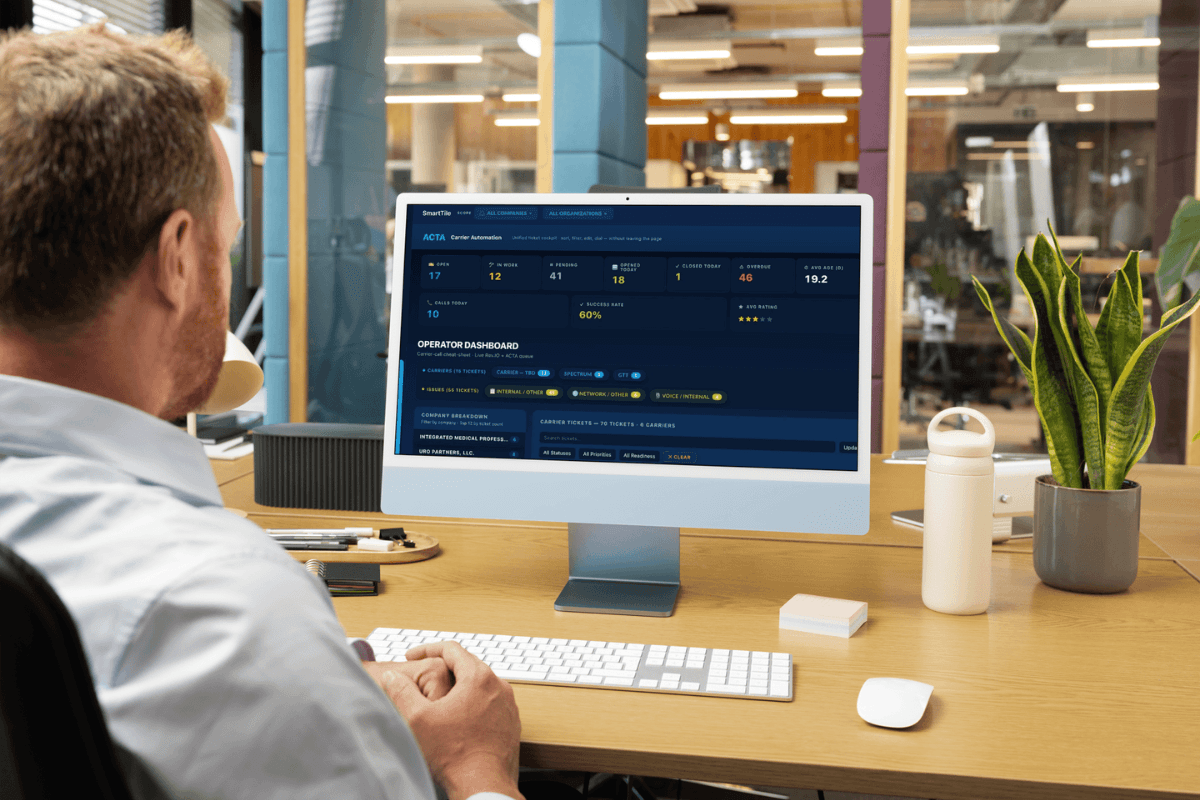
In 2026, network management solutions, like SmartTile, are more crucial than ever. As networks grow in complexity, the need for robust management tools increases.
These solutions ensure optimal performance and security for enterprise networks. They help automate tasks and streamline operations, saving time and resources.
A network management platform offers a centralized view of network resources. This allows for efficient monitoring and management, reducing downtime and improving reliability.
Network performance tools and network performance monitoring tools are essential for identifying and resolving bottlenecks. They provide real-time insights into network health, ensuring smooth operations.
Choosing the right network management application can transform your IT infrastructure. It enhances efficiency, supports growth, and future-proofs your network against emerging challenges.
Why Network Management Solutions Matter in 2026In 2026, the demands on network management solutions are greater than ever. Rapid technological advancements require networks to be more adaptable and reliable.
These solutions play a key role in maintaining network performance and security. As networks become complex, the need for robust management systems escalates.
Here’s why they matter:
- They ensure seamless network operations.
- They protect against security threats.
- They support digital transformation.
Network management solutions are also pivotal for strategic planning. They assist in capacity planning and resource allocation, reducing operational costs.
Integration with existing infrastructures is vital. Robust network management system software can merge seamlessly, enhancing overall IT efficiency.
Finally, scalability is a critical need for growing businesses. As the number of devices and data explodes, having adaptable solutions ensures your network can handle increased loads without compromising performance or security. Enterprise network management tools offer scalability, crucial for expanding organizations seeking future-ready capabilities.
Key Features to Look for in Network Management System SoftwareWhen choosing network management system software, identifying key features is crucial. These features can vastly improve your network’s operational efficacy.
Firstly, robust fault management helps in quickly detecting and resolving issues. This reduces network downtime, ensuring smooth operations.
Secondly, performance monitoring tools provide real-time insights. Monitoring system health and performance helps in proactive problem resolution.
Here are essential features to consider:
- Fault and configuration management
- Real-time performance monitoring
- Scalability and integration capabilities
- Security features and automation
- Multi-vendor support
Automation is another vital feature. It minimizes manual tasks, enhancing efficiency and reducing errors across the network.
Lastly, user-friendly interfaces are indispensable. They simplify complex tasks, saving time and reducing the learning curve for IT teams.
Consider scalability as well. Future-ready solutions should accommodate growth without compromising functionality. This ensures long-term benefits as your network requirements evolve.
Top Network Management Platforms for EnterprisesChoosing the right network management platform is pivotal for enterprises to achieve operational excellence. These platforms offer a centralized approach to monitor and manage vast network environments efficiently.
Here’s a list of top features offered by these platforms:
- Intuitive dashboards and interfaces
- Advanced automation tools
- Real-time analytics and monitoring
- Multi-vendor support
Features to consider:
- Cost-effective solutions and flexible licensing
- Real-time alerts and notification systems
- Integration capabilities with existing infrastructure
These platforms also support integration with other IT systems through APIs. This ensures seamless operation and transition with existing technological infrastructure, enhancing operational agility.
Ultimately, enterprise-scale networks require platforms that cater to complex needs and provide extensive support. Look for solutions with proven customer service that can assist during critical operations and ensure optimal performance.
by 1981 Digital (https://unsplash.com/@1981digital)
These attributes and tools contribute significantly to improving and maintaining network efficiency, aligning with enterprise growth and technological advancements.
Best Network Performance Tools and Monitoring ApplicationsMonitoring network performance is crucial for identifying inefficiencies and preventing bottlenecks. Several tools excel in providing real-time insights and enhancing network reliability.
Consider these features when evaluating network performance tools:
- Customizable dashboards for real-time monitoring
- Detailed reporting and analytics
- Automated alerts and notifications
- Scalability for growing network demands
by Lightsaber Collection (https://unsplash.com/@lightsabercollection)
Each tool excels in providing unique features tailored to different organizational needs. The ability to generate detailed network performance reports helps teams make informed decisions and strategic improvements.
Ultimately, choosing the right tool means considering network size, complexity, and specific monitoring requirements. Enterprises should focus on tools that offer proactive insights and simplify the management process. These tools are instrumental in maintaining seamless network operations and preventing potential disruptions.
Cloud-Based vs. On-Premises Network Management SolutionsWhen selecting a network management solution, one crucial decision is between cloud-based and on-premises options. Each has its unique benefits and drawbacks that can impact network management efficiency.
Cloud-based solutions offer flexibility and remote access, which are increasingly important as work environments become more distributed. They enable real-time monitoring from any location, reducing the need for physical infrastructure.
On-premises solutions, however, provide greater control over data security. They are preferred by organizations with stringent privacy requirements or those who need to ensure compliance with specific industry regulations.
Key considerations when choosing between cloud-based and on-premises solutions include:
- Initial setup and maintenance costs
- Control over data and security measures
- Scalability and ease of integration with existing systems
- The availability of vendor support and service level agreements
by Growtika (https://unsplash.com/@growtika)
Cost is another differentiating factor. Cloud-based solutions typically involve subscription fees, while on-premises systems may require a higher upfront investment. Ultimately, the choice hinges on balancing these factors against the organization’s specific needs. Selecting the right fit can greatly enhance operational efficiency and adaptability in managing network resources.
How AI and Automation Are Shaping Network ManagementThe integration of AI and automation is revolutionizing network management, making it more efficient and predictive. These technologies are streamlining processes, reducing manual tasks, and enhancing the reliability of network operations.
AI-driven solutions provide predictive analytics that can foresee potential network issues before they escalate. This proactive approach helps in maintaining uninterrupted network services and improves response times to network challenges.
Automation reduces the need for manual intervention, thereby minimizing human errors. By automating routine tasks, network administrators can focus on strategic planning and critical decision-making, which ultimately enhances the overall network performance.
Notable advancements brought by AI and automation include:
- Predictive maintenance and troubleshooting
- Automated configuration and updates
- Intelligent threat detection and response
- Enhanced analytics for optimized resource allocation
by Igor Omilaev (https://unsplash.com/@omilaev)
AI-powered network management systems can analyze vast amounts of data, offering actionable insights. This deep analysis aids in optimizing network performance and improving overall efficiency. As these technologies continue to evolve, they will play a crucial role in crafting smarter, more adaptable networks.
Choosing the Right Network Management Solution for Your OrganizationSelecting the appropriate network management solution is vital for enhancing your organization’s IT infrastructure. An ideal solution should align with your enterprise’s specific needs and growth trajectory. Each organization has unique requirements based on size, budget, and technical capabilities.
Begin by assessing your current network environment and identifying key areas needing improvement. Consider factors like scalability, integration capabilities, and the level of support your team requires. It’s essential to choose a solution that can grow with your network and adapt to evolving demands.
Evaluate different options based on the features they offer and their ease of use. Your team should be able to easily understand and operate the system. Look for network management solutions that offer:
- Real-time monitoring and alerts
- Comprehensive reporting and analytics
- Customizable dashboards
- Seamless integration with existing systems
Finally, consider the total cost of ownership and the value it brings. A solution might have a higher initial investment but could save costs in the long term through efficiency gains. Assessing vendor reliability and customer support is equally crucial to ensure ongoing success and problem resolution.
Future Trends in Network Management SolutionsThe future of network management is increasingly geared towards automation and AI-driven insights. Enterprises seek solutions that simplify complex tasks and enhance predictive capabilities. These advances aim to proactively address issues before they escalate into significant problems.
Some emerging trends shaping network management solutions include:
- Integration of AI and machine learning for smarter analytics
- Greater emphasis on security features to combat evolving cyber threats
- Increased support for IoT and edge computing environments
- Enhanced capacity to manage hybrid and multi-cloud environments
- Growing importance of open-source solutions for cost efficiency
As technology advances, network management tools must evolve to meet new challenges. With rapid changes in network technology, staying ahead with the latest trends ensures optimal performance. Businesses that embrace innovative solutions will enhance their network reliability and efficiency. This proactive approach can ultimately lead to improved network management and greater organizational success.
Q&AQuestion: Why are network management solutions especially important in 2026?
Short answer: Network environments are more complex and distributed, making performance and security harder to maintain without dedicated tools. Modern solutions ensure seamless operations, protect against threats, and support digital transformation. They also aid strategic planning through capacity planning and resource allocation, integrate with existing infrastructures to boost IT efficiency, and offer the scalability needed to handle rapid growth in devices and data.
Question: What key features should I prioritize in a network management system?
Short answer: Focus on fault and configuration management, real-time performance monitoring, scalability, and strong integration capabilities. Security features and automation are essential to reduce manual work and errors, and multi-vendor support prevents lock-in. A user-friendly interface is also critical to simplify complex tasks and shorten the learning curve for IT teams.
Question: How should an organization choose the right network management solution?
Short answer: Start by assessing your current network and pinpointing gaps. Prioritize scalability, integration with existing systems, and the level of vendor support your team will need. Evaluate usability and core features such as real-time monitoring, alerts, comprehensive reporting, and customizable dashboards. Finally, weigh total cost of ownership against long-term value and verify vendor reliability and service quality.
Question: How are AI and automation changing network management, and what trends are next?
Short answer: AI enables predictive analytics to spot issues before they escalate, while automation handles routine tasks and updates, reducing human error and speeding response. Advancements include predictive maintenance, automated configuration, intelligent threat detection, and enhanced analytics for better resource allocation. Looking ahead, expect deeper AI/ML integration, stronger security features, expanded support for IoT and edge, improved management of hybrid/multi-cloud environments, and growing use of open-source options for cost efficiency.
Benefits of Outsourced Telecom Expense Management
In today’s fast-paced business world, managing telecom expenses can be a daunting task. Companies often struggle with complex billing, hidden fees, and inefficient processes.
Outsourced telecom expense management offers a solution. It helps businesses streamline their telecom cost management and improve financial outcomes.
By leveraging expert knowledge and advanced tools, companies can achieve significant cost savings. This approach allows businesses to focus on core activities while experts handle telecom expenses.
Outsourcing also provides enhanced visibility and control over telecom financial management. It ensures compliance with industry standards and reduces the risk of errors.
Moreover, businesses benefit from improved efficiency and scalability. As companies grow, outsourced telecom management adapts to their changing needs.
In this article, we explore the benefits of telecom expense solutions and how they can transform your business.
What Is Outsourced Telecom Expense Management?Outsourced telecom expense management involves delegating the process of managing telecom expenses to an external specialist. These experts handle all aspects of telecom expense control, ensuring optimal financial performance.
By outsourcing this function, companies benefit from streamlined telecom cost management. This includes billing verification, contract negotiation, and usage optimization.
Here are some key components of outsourced telecom management:
- Billing analysis and error identification
- Contract negotiations for better rates
- Telecom service optimization and rationalization
Outsourcing ensures that these tasks are performed by professionals with industry-specific knowledge. This expertise often results in more efficient telecom financial management.
This approach also provides businesses access to advanced tools and technologies. These resources help in analyzing data, generating reports, and tracking telecom expenses.
Overall, outsourced telecom expense management provides a strategic advantage by optimizing telecom operations and reducing costs.
Key Challenges in Telecom Cost ManagementManaging telecom expenses can be complex and demanding. Many businesses struggle with tracking and controlling costs effectively. Without proper oversight, expenses can spiral out of control.
Common challenges include billing errors and lack of visibility. Companies often find it hard to identify discrepancies in telecom invoices. Errors go unnoticed, leading to unnecessary costs.
Additional issues arise from juggling multiple service providers. Each provider has different terms, making contract management a daunting task. This complexity hinders optimal telecom expense control.
Some key challenges faced in telecom financial management include:
- Identifying and correcting billing errors
- Managing multi-vendor contracts
- Tracking and optimizing service usage
These challenges illustrate why telecom expense solutions are vital. An efficient system can tackle these issues, providing clarity and cost savings.
Top Benefits of Outsourced Telecom Expense ManagementOutsourced telecom expense management offers a myriad of benefits. Businesses can significantly reduce costs by streamlining their telecom processes. This cost reduction is crucial for maintaining a competitive edge. In practice, the benefits of telecom expense management extend from tighter budgeting and expense visibility to stronger accountability and forecasting.
Another vital benefit is the enhanced accuracy in telecom financial management. Outsourcing provides businesses with expert knowledge and state-of-the-art tools. These tools help identify billing errors and optimize telecom expenses.
Moreover, outsourcing allows companies to focus more on their core operations. By delegating telecom management tasks, internal teams face less burden. They can concentrate on growth and development efforts instead.
Not only does outsourcing improve efficiency, but it also boosts compliance. Adhering to industry regulations becomes seamless with expert oversight. This ensures that no unexpected penalties disrupt financial plans.
Key benefits of outsourcing telecom expense management include:
- Cost reduction and financial optimization
- Access to expert knowledge and advanced tools
- Improved efficiency and compliance management
by Jonathan Borba (https://unsplash.com/@jonathanborba)
Cost Savings and Financial OptimizationOne of the most significant advantages is cost savings. Effective telecom cost management reduces unnecessary expenses. Businesses often save money by rectifying billing discrepancies quickly.
Outsourcing helps negotiate better contracts with service providers. This ensures more favorable terms and reduced service charges. As a result, companies gain better control over telecom budgets.
In summary, financial optimization through outsourced telecom management leads to:
- Identifying and correcting billing errors promptly
- Negotiating improved contract terms
- Optimizing and streamlining telecom expenses
Outsourcing telecom management provides access to specialized expertise. Many businesses lack in-house knowledge of the latest telecom trends. Experts bring insights and industry best practices to the table.
Advanced tools used by outsourcing providers ensure efficient management. These tools include state-of-the-art software for data analysis. Businesses benefit from meticulous tracking and reporting capabilities.
Overall, outsourcing empowers companies by:
- Employing seasoned telecom experts
- Leveraging state-of-the-art management tools
- Utilizing best practices for optimization
Delegating telecom expense management improves efficiency within organizations. Internal teams are relieved from telecom management burdens. They can focus on strategic priorities instead of administrative tasks.
Outsourcing streamlines telecom operations, minimizing time spent on issue resolution. Issues are resolved faster by those experienced in telecom processes. This increased efficiency enhances overall business productivity.
Key elements of enhanced efficiency through outsourcing include:
- Freeing internal resources for strategic focus
- Streamlining issue resolution processes
- Increasing overall business productivity
Outsourcing telecom management boosts visibility and control over expenses. Comprehensive reporting and analytics provide clear insights. Decision-makers benefit from understanding spending patterns more deeply.
Enhanced analytics lead to better telecom expense solutions. Companies can strategize more effectively with detailed data. Reporting systems allow for informed decision-making and cost optimizations.
The advantages of improved visibility and reporting encompass:
- Comprehensive and accessible expense reporting
- Data-driven decision-making processes
- Enhanced control over telecom spending
Outsourced telecom expense management offers scalability and flexibility. As businesses grow, telecom needs evolve swiftly. Providers offer adaptable services to match this growth.
The flexibility of outsourced telecom management benefits businesses. They can adjust services without the complexities of renegotiating contracts. This adaptability fosters seamless organizational expansion.
Crucial aspects of scalability and flexibility include:
- Adjusting telecom services with business growth
- Adapting effortlessly to evolving business needs
- Reducing time spent on contract negotiations
Outsourced telecom expense management begins with a thorough analysis of current services. Experts assess contracts, usage patterns, and billing statements. This detailed review uncovers areas for cost-saving opportunities.
Once issues are identified, the provider implements custom telecom expense solutions. These solutions streamline processes and improve telecom expense control. Ongoing monitoring ensures continued optimization of services.
The process typically involves the following steps:
- Initial analysis and assessment of telecom expenses
- Implementation of tailored cost-saving strategies
- Continuous monitoring for ongoing optimization
by Campaign Creators (https://unsplash.com/@campaign_creators)
With outsourced management, companies gain a strategic approach to telecom financial management. Providers use advanced tools to manage expenses proactively. This results in improved decision-making and reduced costs.
Choosing the Right Telecom Expense Solutions ProviderSelecting the right telecom expense solutions provider is crucial for success. Consider providers that offer comprehensive telecom financial management. Look for expertise in industry best practices and cutting-edge technologies.
Evaluate potential providers based on their track record and client testimonials. Ensure they offer flexible services tailored to your business needs. Key factors to consider include:
- Proven industry experience and expertise
- Flexibility in service offerings
- Strong client references and testimonials
A well-chosen partner can transform how you manage telecom expenses. They can optimize processes and improve overall efficiency.
Common Myths About Outsourced Telecom ManagementThere are several misconceptions about outsourced telecom management. One common myth is that it’s too expensive for small businesses. However, outsourcing often leads to cost savings and increased efficiency.
Another myth is that you lose control over operations. In reality, you gain enhanced telecom expense control and transparency.
Consider these prevalent myths:
- Outsourcing is only for large companies
- It leads to loss of control over processes
- Outsourcing lacks customization and flexibility
Dispelling these myths can help businesses make informed decisions. Outsourced telecom management offers many benefits, regardless of company size.
Conclusion: Why Outsourced Telecom Expense Management MattersOutsourced telecom expense management provides a strategic edge for businesses. It cuts costs, boosts efficiency, and enhances financial control. With industry expertise at your disposal, navigating complex telecom landscapes becomes manageable.
By outsourcing, companies can focus on core objectives while experts handle the nuances of telecom expenses. This approach ensures seamless operations and steady growth in an increasingly competitive market. Embrace this solution for refined telecom cost management today.
Q&AQuestion: What is outsourced telecom expense management and what does it include?
Short answer: Outsourced telecom expense management is delegating the oversight of telecom costs to a specialized provider. These experts handle billing analysis and error identification, negotiate contracts for better rates, and optimize or rationalize services. They bring industry-specific knowledge and advanced tools for data analysis, reporting, and expense tracking, ensuring more efficient and accurate financial management.
Question: Why should a company outsource telecom expense management instead of handling it in-house?
Short answer: Managing telecom costs in-house is often complex due to multi-vendor contracts, hidden fees, and billing discrepancies. Outsourcing adds expert knowledge and state-of-the-art tools to find and fix billing errors, secure better contract terms, and streamline processes. It reduces costs, improves compliance, and frees internal teams to focus on core business priorities.
Question: How does outsourcing impact visibility and control over telecom spending?
Short answer: Rather than reducing control, outsourcing typically enhances it. Providers deliver comprehensive reporting and analytics, giving decision-makers clear insight into spending patterns. This data-driven visibility improves budgeting, accountability, and forecasting, while expert oversight helps maintain compliance and minimizes the risk of costly errors.
Question: Is outsourced telecom expense management suitable for small or fast-growing businesses?
Short answer: Yes. The notion that outsourcing is only for large enterprises is a myth. Small businesses can achieve meaningful savings and efficiency gains, as shown by examples like Small Business A streamlining multi-location expenses. For growing companies, outsourced solutions scale and adapt to evolving needs without frequent, complex renegotiations.
Question: How does the outsourced telecom expense management process work, and what should we look for in a provider?
Short answer: The process typically starts with an in-depth assessment of current contracts, usage, and invoices; followed by tailored cost-saving strategies; and ongoing monitoring for continuous optimization. When choosing a provider, prioritize proven industry experience, flexibility in service offerings, and strong client references, along with access to advanced tools and best practices.
Benefits of Managed Telecom Services for Businesses
In today’s fast-paced business world, staying connected is crucial. Managed telecom services offer streamlined telecom solutions to improve communication. They provide expert management of telecom infrastructure, ensuring seamless operations.
Businesses can benefit from reduced costs and improved efficiency. Managed services optimize telecom expenses and telecom management processes, allowing companies to allocate resources more effectively. This leads to better financial control and budgeting.
Moreover, these services enhance network reliability and performance. With 24/7 support, businesses experience fewer disruptions. Proactive issue resolution ensures minimal downtime and maximized productivity.
Access to the latest technology is another advantage. Managed telecom services keep businesses at the forefront of innovation. They offer scalable solutions that grow with the company.
Outsourcing telecom management allows businesses to focus on core activities. It provides a strategic partnership for long-term success. Managed telecom services are a key component in achieving business excellence.
What Are Managed Telecom Services?Managed telecom services involve outsourcing the management of a company’s telecom needs to a third-party expert. These services encompass a wide range of activities aimed at optimizing telecom infrastructure and operations. Companies leverage these services to ensure efficient and effective communication.
Businesses receive comprehensive telecom solutions tailored to their specific needs. These solutions include network management, telecom consulting, and support services. By having experts manage their telecom systems, companies gain a competitive edge.
Key benefits of managed telecom services include:
- Cost efficiency
- Enhanced network reliability
- Access to advanced technology
- Proactive support and issue resolution
- Seamless integration with existing systems
These services ensure that businesses are not burdened with managing complex telecom systems. They provide a strategic approach to telecom management, allowing companies to focus on growth and innovation. In essence, managed telecom services empower businesses to optimize their communication capabilities effectively.
Key Components of Managed Telecom ServicesManaged telecom services encompass various vital components that collectively enhance telecom operations. These components are designed to provide holistic telecom solutions, supporting optimal performance and efficiency.
Network management is a crucial aspect. It involves monitoring and maintaining telecommunications infrastructure to ensure seamless connectivity. Efficient network management prevents downtime and boosts productivity.
Telecom consulting offers strategic insights and recommendations to improve communication systems. It helps businesses make informed decisions, ensuring their telecom strategy aligns with their goals.
Managed telecom services also include:
- Customized telecom solutions
- Vendor management and relations
- Comprehensive reporting and analytics
- Integration with IT infrastructure
- Advanced security protocols
These components work together to create a reliable telecom environment. By utilizing managed telecom services, businesses can enjoy a streamlined approach to handling their telecommunications. This way, they can focus on core business activities, confident that their telecom needs are in expert hands.
Cost Savings and Financial BenefitsManaged telecom services can dramatically cut costs for businesses. These services streamline telecom expenses and provide more budgetary predictability. With cost-effective telecom management, companies can better allocate resources.
Managed services optimize pricing and negotiate better contracts. This reduces overhead and eliminates wasteful spending. Businesses benefit from economies of scale and gain access to discounts typically unavailable to smaller enterprises.
By outsourcing telecom management, organizations decrease the need for an extensive in-house telecom team. This reduces salary and training expenses. Instead, businesses access expert telecom solutions at a fraction of the cost.
Financial benefits include:
- Reduced telecom expenses
- Predictable monthly billing
- Enhanced budget control
- Improved cost efficiency
- Avoidance of capital expenditures
Businesses can reinvest cost savings into growth and innovation. This financial flexibility positions them for future success and fosters a competitive edge in the marketplace. Managed telecom services, therefore, are a smart financial strategy.
Enhanced Network Management and PerformanceManaged telecom services vastly improve network management. They ensure consistent performance and reliable uptime, crucial for modern businesses. Proper network management maximizes efficiency and minimizes disruptions.
These services include comprehensive network monitoring. This proactive approach identifies and resolves issues before they escalate, enhancing reliability. It ensures that the network operates at peak performance, thereby minimizing downtime.
SmartTileKey benefits of enhanced network performance:
- Increased uptime
- Proactive issue detection
- Reduced network disruptions
- Consistent performance
- Improved reliability
By maintaining optimal network conditions, businesses can focus on core activities without worrying about telecom disruptions. Managed telecom services deliver unparalleled performance, supporting smooth operations and uninterrupted service, essential for maintaining productivity and customer satisfaction.
Scalability and Flexibility for Growing BusinessesManaged telecom services offer businesses the adaptability they need to grow. As companies expand, their communication needs evolve. Managed services ensure telecom solutions scale seamlessly with those needs.
These services provide flexible options tailored to meet unique business demands. Whether adding new lines, increasing bandwidth, or integrating new technologies, the transition is smooth. Businesses can adapt quickly to market changes without major disruptions.
Key advantages of scalability and flexibility:
- Seamless scaling of services
- Tailored telecom solutions
- Quick adaptation to market changes
- Integration of new technologies
This adaptability enables businesses to remain competitive and responsive in an ever-changing landscape. Managed telecom services support growth by providing the necessary telecom infrastructure to fuel ongoing expansion.
24/7 Support and Proactive Issue ResolutionManaged telecom services ensure businesses always have access to expert support. Round-the-clock service means that help is available whenever it’s needed. This constant support reduces downtime and keeps operations running smoothly.
Proactive issue resolution is a cornerstone of telecom management. By identifying and addressing potential issues before they become serious problems, businesses avoid costly disruptions. This approach ensures network stability and reliability.
Benefits of 24/7 support and proactive management include:
- Immediate assistance at any time
- Early detection of issues
- Minimization of downtime
- Enhanced network reliability
With these services, businesses can focus on core tasks, confident that their telecom infrastructure is in expert hands.
Access to Expertise and Latest TechnologyManaged telecom services open doors to specialized expertise. Businesses can tap into a wealth of knowledge and experience without hiring in-house experts. This access allows for better decision-making and informed strategic planning.
Staying current with technology is crucial in today’s fast-paced market. Managed telecom services provide businesses with the latest telecom solutions and technology. This helps maintain a competitive edge and enhances productivity.
Key advantages include:
- Access to trained telecom professionals
- Implementation of cutting-edge telecom solutions
- Strategic insights from experienced consultants through telecom consulting
By leveraging these services, companies can innovate and adapt quickly, ensuring they remain leaders in their industry.
Improved Security and ComplianceSecurity and compliance are critical concerns for modern businesses. Managed telecom services provide robust security measures to protect data and communication systems. By outsourcing to experts, businesses ensure that they adhere to industry standards and regulations.
Telecom managed services include:
- Advanced security protocols
- Regular compliance audits
- Implementation of data protection measures
by Scott Rodgerson (https://unsplash.com/@scottrodgerson)
These services mitigate risks associated with security breaches and data loss. With managed telecom, businesses gain peace of mind knowing their operations are secure and compliant. This proactive approach not only protects vital assets but also preserves company reputation.
Streamlined Telecom Management and Vendor RelationsManaging telecom operations and vendor relationships can be daunting for businesses. Managed telecom services simplify these complexities by offering streamlined telecom management solutions. This allows businesses to focus more on their core activities.
Managed services help maintain efficient vendor relations through:
- Negotiating contracts
- Managing service level agreements
- Coordinating with multiple vendors
A single point of contact for all telecom needs reduces communication hassles. This leads to better service quality and quick resolution of issues. Businesses benefit from improved accountability and transparency in their telecom operations, leading to enhanced efficiency and operational harmony.
Strategic Telecom Consulting and ReportingStrategic telecom consulting offers businesses invaluable insights for optimizing their telecom environments. Experts analyze current systems and recommend improvements. This guidance ensures alignment with business goals and objectives.
With comprehensive reporting, companies gain clarity on their telecom usage and expenses. This includes detailed analytics and performance metrics. Businesses can make informed decisions to enhance efficiency and reduce costs.
Key benefits of telecom consulting and reporting include:
- Identifying cost-saving opportunities
- Optimizing telecom strategies
- Providing data-driven insights
Regular reports help businesses stay on top of their telecom operations. They support strategic planning and foster continuous improvement in managing telecom resources.
Supporting Digital Transformation and Remote WorkManaged telecom services are essential for businesses transitioning to digital platforms. They offer robust solutions that support digital innovation and transformation. Businesses can integrate advanced telecom technologies seamlessly into their existing operations.
With the rise of remote work, managed services provide the infrastructure needed to support a mobile workforce. These services ensure reliable communication and connectivity for remote teams. Benefits of supporting digital transformation and remote work include:
- Enhanced collaboration tools
- Secure access to company resources
- Flexibility to scale with changing demands
Businesses gain a competitive advantage by adopting telecom solutions that accommodate remote work needs efficiently.
How to Choose the Right Managed Telecom Services ProviderSelecting the right provider requires careful evaluation of your business needs. Start by assessing the provider’s experience and industry reputation. Ensure they offer solutions tailored to your specific requirements.
Another crucial consideration is the range of services offered. Look for a provider that offers comprehensive telecom management, such as:
- 24/7 customer support
- Advanced network management capabilities
- Scalable and flexible service options
Choosing a provider with a proactive approach to service and support can greatly enhance your business operations. They should also demonstrate a strong understanding of current telecom technologies and trends.
Conclusion: Unlocking Business Potential with Managed Telecom ServicesManaged telecom services are essential for modern businesses aiming to stay competitive. They provide a comprehensive approach to telecom management, ensuring improved efficiency and reliability. By leveraging these services, businesses can achieve significant cost savings and operational excellence.
Outsourcing telecom management allows companies to focus on their core competencies. It also provides them with access to cutting-edge technology and expert support. As markets evolve, having a strategic telecom partner becomes increasingly crucial.
With managed telecom services, businesses can confidently navigate the complexities of today’s telecom landscape. They unlock new opportunities for growth and innovation, positioning themselves for sustained success.
Frequently Asked QuestionsQuestion: What are managed telecom services and how do they work?
Short answer: Managed telecom services are the outsourcing of a company’s telecom infrastructure and operations to expert third parties. Providers deliver tailored solutions—such as network management, telecom consulting, support, security, analytics, and vendor coordination—to keep communications reliable, efficient, and aligned with business goals. You get a strategic partner and a single point of contact so your team can focus on core activities while specialists handle the complexity.
Question: How do managed telecom services reduce costs and improve budget control?
Short answer: They streamline spend by optimizing pricing, negotiating better contracts, and leveraging economies of scale. You can downsize or avoid an in-house telecom team, cutting salary and training costs. Predictable monthly billing improves budget accuracy, and shifting away from capital expenditures preserves cash for growth and innovation—resulting in lower telecom expenses and better financial control.
Question: In what ways do these services improve reliability and performance (and reduce downtime)?
Short answer: Providers deliver comprehensive, 24/7 monitoring and support, proactively detecting and resolving issues before they escalate. This approach boosts uptime, ensures consistent performance, and minimizes disruptions. Robust security measures and regular compliance practices further protect communications, helping maintain stable, dependable operations that support productivity and customer satisfaction.
Question: How do managed telecom services support growth, digital transformation, and remote work?
Short answer: They offer scalable, flexible solutions that expand with your needs—adding lines, increasing bandwidth, and integrating new technologies without major disruption. For modern, distributed teams, they enable reliable connectivity, secure access to company resources, and enhanced collaboration tools. This adaptability helps businesses respond quickly to market changes and advance digital initiatives.
Question: What should we look for when choosing a managed telecom provider?
Short answer: Evaluate experience and reputation, ensure they can tailor solutions to your requirements, and confirm they offer a comprehensive service set: 24/7 support, advanced network management, and scalable, flexible options. Prefer providers with a proactive service approach, strong knowledge of current telecom technologies and trends, and clear reporting/analytics. Effective vendor management and a focus on security and compliance are also key.
Why having a U.S.-based data center is a major plus
In the ever-evolving landscape of technology and data management, the choice of data center location can significantly impact a business’s operational resilience and performance. As global tensions rise and the geopolitical climate shifts, the importance of having a U.S.-based data center cannot be overstated. This article explores the advantages of establishing data centers in the U.S., particularly in light of recent global conflicts and technological advancements.
1. Overview of SmartChoice’s U.S. Based Data Center Location and InfrastructureSmartChoice has strategically chosen its U.S.-based data center to be located in an area with robust infrastructure and connectivity. Proximity to major networks ensures that data can travel quickly and securely, minimizing latency and enhancing user experience. Additionally, the site is equipped with redundant power supplies, advanced cooling systems, and multiple fiber-optic connections, allowing for continuous operation even in adverse conditions.
This location also benefits from favorable climate conditions, reducing the risk of natural disasters that could disrupt operations. The facility is built to withstand extreme weather, further solidifying it as a dependable hub for data storage and management.
What are the Technology and Security Features?SmartChoice’s data center employs cutting-edge technology, including advanced fire suppression systems, biometric security measures, and 24/7 surveillance. These features ensure the integrity and security of the data stored within the facility. The use of artificial intelligence for monitoring systems allows for predictive maintenance, enabling potential issues to be addressed before they escalate into significant problems.
Moreover, SmartChoice adheres to stringent security protocols, including regular security audits and compliance with industry standards such as ISO/IEC 27001. This commitment to security not only protects customer data but also enhances client trust in their services.
2. Impact of Global Conflicts on Data Centers Regional Conflict and Infrastructure Strikes: Iran War and Middle Eastern Data CentersThe geopolitical landscape, particularly in the Middle East, has shown how conflicts can severely disrupt data center operations. Incidents like the Iran War have resulted in significant downtime for data centers in the region, causing businesses to lose access to critical information and applications. These events have highlighted the vulnerabilities associated with geographically concentrated data centers, where a single conflict can have far-reaching consequences.
As businesses increasingly rely on data-driven decisions, the disruption of data services can lead to financial losses and reputational damage. The instability in these regions underscores the need for businesses to consider the location of their data centers carefully, favoring more stable environments like the U.S.
Lessons Learned from Offline Data CentersRecent global conflicts have taught businesses the importance of redundancy and diversification. Organizations with data centers in multiple stable regions have fared better during times of crisis, as they can redirect data traffic and operations to unaffected locations. The lessons learned stress the need for a comprehensive disaster recovery plan that includes options for maintaining data availability during geopolitical disruptions.
Ultimately, businesses that prioritize U.S.-based data centers position themselves to mitigate risks associated with international conflicts while also reaping the benefits of improved operational stability and reliability.
3. Business Continuity Risks Importance of Data AvailabilityData availability is crucial for business continuity. Any downtime can result in lost revenue, customer dissatisfaction, and damage to the brand’s reputation. A U.S.-based data center ensures higher availability due to the stringent regulations and robust infrastructure that support continuous operations. The ability to access data at any time, without interruption, is a competitive advantage that can set a business apart from its rivals.
Moreover, with the rise of cloud computing, businesses are increasingly dependent on their data centers for essential services. Ensuring that data is both secure and readily accessible is paramount, and U.S. data centers excel in providing such capabilities due to their adherence to high standards of service and security.
Risks of Relying on Foreign Data CentersWhile some businesses may be tempted to cut costs by utilizing foreign data centers, this strategy can expose them to numerous risks. Political instability, regulatory changes, and even natural disasters can disrupt services and render data inaccessible. Additionally, differing compliance standards and privacy laws can complicate data management and increase legal liabilities.
In contrast, U.S.-based data centers are governed by established laws, such as HIPAA, CCPA/CPRA, GLBA and SOC 2, that protect consumer data and ensure compliance. The risks associated with relying on foreign data centers significantly outweigh the potential cost savings, making U.S. locations a more prudent choice for long-term data management.
4. Advantages of U.S. Based Data Centers Regulatory Compliance and Data Protection LawsOne of the foremost advantages of U.S.-based data centers is the compliance with stringent data protection laws. With regulations like the California Consumer Privacy Act (CCPA) and the Health Insurance Portability and Accountability Act (HIPAA), businesses operating within the U.S. can ensure that their data handling practices meet high standards of security and privacy. This compliance not only protects sensitive customer information but also builds trust with clients who are increasingly concerned about data security.
Furthermore, U.S. regulations are often viewed as a benchmark for global data protection standards. Businesses that operate within these frameworks are better positioned to expand internationally, as they can demonstrate compliance with rigorous laws that many other countries strive to emulate.
Enhanced Performance and Latency ReductionLatency is a critical factor in data center performance, impacting everything from website loading times to real-time data processing. U.S.-based data centers benefit from advanced infrastructure, including high-speed network connections and optimized routing protocols, which significantly reduce latency. This performance enhancement translates to quicker response times for applications and services, leading to improved user satisfaction.
Moreover, the geographic distribution of U.S. data centers allows businesses to choose locations that are closer to their end-users. By strategically selecting data center locations, companies can further minimize latency and deliver seamless experiences, which is essential in today’s fast-paced digital landscape.
5. Future Trends in Data Center Management Shift Towards Localized Data SolutionsIn recent years, there has been a noticeable shift towards localized data solutions. As businesses recognize the advantages of having data centers closer to their target markets, the demand for U.S.-based facilities is expected to grow. This trend aligns with the increasing focus on data sovereignty, where companies seek to control their data within specific jurisdictions to comply with local regulations.
Localized data solutions not only enhance performance but also provide businesses with the agility to respond to changing market conditions. As organizations pivot towards hybrid and multi-cloud strategies, the need for flexible, geographically dispersed data centers will become more pronounced, driving innovation and competition among U.S. providers.
Innovations in Data Center TechnologyThe future of data center management is being shaped by technological innovations that improve efficiency and sustainability. From the integration of artificial intelligence for predictive analytics to the use of renewable energy sources, U.S.-based data centers are at the forefront of these developments. Innovations in cooling technologies, such as liquid cooling and immersion cooling, are also making data centers more energy-efficient, reducing operational costs and environmental impact.
As the demand for data processing continues to grow, these innovations will play a crucial role in ensuring that U.S. data centers can meet the needs of businesses while maintaining a focus on sustainability and compliance. The adoption of these advanced technologies will not only enhance operational efficiency but also contribute to a greener future for data management.
ConclusionIn conclusion, the choice of a U.S.-based data center is a strategic decision that offers numerous advantages, particularly in an increasingly unstable global landscape. From enhanced security and compliance with data protection laws to reduced latency and improved business continuity, the benefits of U.S. data centers are clear. As organizations navigate the complexities of modern data management, the importance of locating data centers in stable environments cannot be overstated. The lessons learned from recent global conflicts and the rapid advancements in technology further reinforce the need for businesses to prioritize U.S. locations for their data operations.
FAQs Why does data center location matter?The key benefits include enhanced security and compliance with U.S. regulations, reduced latency due to improved infrastructure, and greater business continuity in the face of global conflicts.
How do geopolitical events affect data center operations?Geopolitical events can lead to disruptions in services, data accessibility issues, and financial losses for businesses relying on affected data centers.
What should businesses consider when choosing a data center location?Businesses should consider factors such as security, compliance with local laws, latency, infrastructure reliability, and the potential risks associated with geopolitical stability.
Why is data availability important for businesses?Data availability is crucial for uninterrupted operations, customer satisfaction, and overall business success. Any downtime can lead to significant financial losses and damage to a brand’s reputation.
What future trends are emerging in data center management?Emerging trends include a shift towards localized data solutions, increased adoption of hybrid cloud strategies, and innovations in energy efficiency and sustainability practices within data centers.
Want to know exactly where your voice and network data lives? Talk to an engineer
Why a phased migration from a physical phone system to a cloud-based phone system is the right way to go
In today’s fast-paced business environment, communication is essential for success. As technology evolves, companies are increasingly making the shift from traditional, physical phone systems to modern, cloud-based solutions. This article explores the advantages of a phased migration strategy, providing a comprehensive overview of why businesses should consider this approach when implementing a cloud-based phone system.
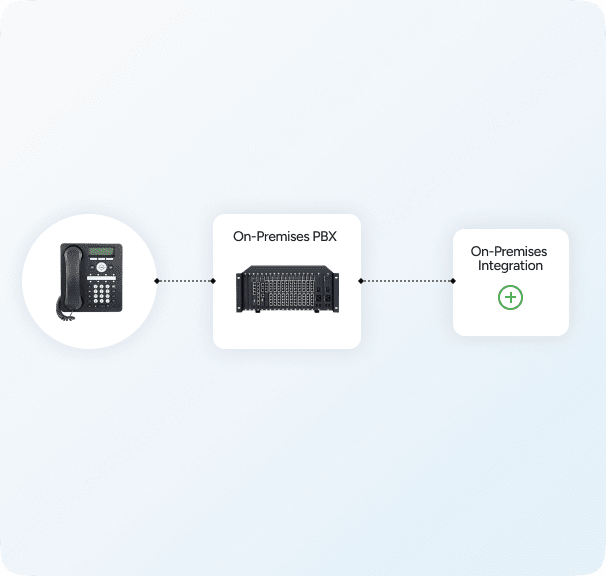
Understanding the Current Landscape Limitations of Physical Phone SystemsTraditional phone systems often come with numerous limitations that can hinder a company’s operations. These systems require significant infrastructure investments, including hardware installations and ongoing maintenance costs. Businesses face challenges with scalability, as adding new lines or features can be a cumbersome and time-consuming process. Moreover, physical systems are often tied to specific locations, inhibiting flexibility for remote work and multi-site organizations.
In addition, physical systems often lack advanced features that modern businesses require, such as voicemail-to-email, call analytics, and integration with other digital tools. As a result, many organizations find themselves at a competitive disadvantage, unable to leverage the efficiencies and capabilities offered by newer technologies.
The Rise of Cloud-Based SolutionsCloud-based phone systems have emerged as a solution to many of the challenges posed by traditional phone systems. They offer flexibility, scalability, and a broad range of features that can enhance communication and collaboration within organizations. By migrating to the cloud, businesses can reduce their reliance on on-premises hardware, minimizing maintenance costs and streamlining operations.
Moreover, cloud solutions provide enhanced mobility. Employees can access the phone system from anywhere with an internet connection, facilitating remote work and improving overall productivity. The rise of Unified Communications as a Service (UCaaS) has further bolstered the appeal of cloud-based systems, integrating voice, video, messaging, and collaboration tools into a single platform for seamless communication.
Benefits of a Phased Migration Approach Minimized Disruption to Business OperationsA phased migration allows businesses to transition to a cloud-based phone system without overwhelming employees or disrupting daily operations. By gradually implementing the new system, companies can identify and resolve any issues that arise during the transition, ensuring that employees have the support they need to adapt to the changes.
Furthermore, this approach enables businesses to continue using their existing physical systems while testing the cloud solution. This dual operation provides a safety net, reducing the risk of downtime and ensuring that customer communications remain uninterrupted during the migration process.
Gradual Adoption and User TrainingOne of the primary benefits of a phased migration is the ability to provide targeted training and support to users. As employees transition to the new system, they can gradually familiarize themselves with its features and functionalities. This structured approach helps to decrease resistance to change, as users gain confidence in their ability to utilize the cloud-based phone system effectively.
In addition, phased adoption allows for feedback collection from early users, enabling businesses to tailor the system to their needs before a full rollout. By understanding user experiences and addressing concerns, companies can enhance overall satisfaction and ensure a smoother transition.
Cost Management and BudgetingTransitioning to a cloud-based system can be a significant financial undertaking. However, a phased migration allows businesses to manage costs more effectively. By spreading the expenses over time, companies can allocate budget resources for the migration without straining their financial situation. Moreover, the ability to make gradual adjustments allows organizations to assess the value of the new system and make informed decisions about further investments.
This approach also brings potential long-term savings. Cloud systems typically reduce operational costs through lower maintenance fees, subscription pricing models, and improved efficiencies. As businesses better understand the benefits of their new system, they can maximize these savings and reinvest them into other critical areas of their operations.
Step-by-Step Migration Strategy Assessment of Current InfrastructureBefore initiating a migration, companies must assess their current phone system infrastructure thoroughly. This assessment should include a review of existing hardware, network capabilities, and user requirements. Understanding the strengths and weaknesses of the current system will help organizations determine what cloud features will be beneficial and how to structure the migration process.
Additionally, conducting an inventory of user needs will allow businesses to tailor the new system to enhance productivity. This information can guide decisions regarding which features to prioritize during the migration and ensure that the cloud phone system aligns with organizational goals.
Choosing the Right Cloud ProviderOnce the assessment is complete, businesses can begin exploring potential cloud providers. It’s crucial to select a provider that offers a robust solution, reliable support, and scalability options that align with future growth. Companies should evaluate different providers based on factors such as pricing, available features, user reviews, and industry reputation.
Security and compliance features should also be a top consideration. Organizations need reassurance that their data will be protected and that the provider meets all regulatory requirements. Engaging stakeholders in the decision-making process can ensure that the chosen provider meets the needs of all users in the organization.
Pilot Testing with Select TeamsAfter selecting a provider, businesses should conduct a pilot test with select teams or departments before a full-scale rollout. This pilot phase will allow organizations to gather valuable insights and feedback on the new system, enabling adjustments to be made before a broader implementation.
During the pilot, it’s essential to provide comprehensive training and support to ensure users can effectively utilize the new system. This phase should focus on identifying any potential roadblocks, ensuring that the transition is as smooth as possible for the entire organization.
Full Rollout and Feedback CollectionFollowing the successful pilot, organizations can proceed with the full rollout of the cloud-based phone system. This stage will require careful planning to coordinate with all departments and ensure that everyone is prepared for the transition. It’s essential to communicate clearly about the changes and provide ongoing support as users adapt to the new system.
Once the full rollout is complete, organizations should continue to collect feedback from users to identify any areas for improvement. Regular assessments and updates will help ensure the system remains effective and user-friendly, ultimately enhancing productivity and communication across the entire organization.
Technical Considerations Data Security and ComplianceData security is a paramount concern when migrating to a cloud-based phone system. Organizations must ensure that their chosen provider implements robust security measures, including data encryption, firewalls, and regular security audits. Compliance with industry regulations, such as GDPR or HIPAA, is also crucial to avoid potential legal issues and protect sensitive information.
Furthermore, businesses should establish internal processes for managing data security and compliance. This may include regular training for employees about best practices for data protection and creating protocols for responding to potential security incidents.
Integration with Existing SystemsSuccessful cloud migration involves integrating the new phone system with existing business applications and tools. A well-integrated system can improve workflow efficiencies, reduce redundancy, and enhance overall user experience. Companies should look for cloud solutions that offer API integrations and compatibility with commonly used software.
During the migration process, businesses should work closely with their IT teams to ensure seamless integration. This collaboration will facilitate better data sharing, enhance communication, and provide users with a more cohesive experience across all platforms.
Network Requirements and BandwidthCloud-based phone systems rely on a stable internet connection. Therefore, assessing network requirements and ensuring sufficient bandwidth is critical to a successful migration. Businesses should evaluate their current internet speed and capacity to determine whether upgrades or enhancements are necessary.
Conclusion Recap of Key PointsThe migration from a physical phone system to a cloud-based solution presents numerous advantages for businesses, such as increased flexibility, advanced features, and enhanced communication capabilities. A phased migration strategy is an effective approach that minimizes disruption, allows for gradual adoption, and ensures cost management throughout the process.
By following a comprehensive step-by-step strategy, organizations can assess their current infrastructure, choose the right cloud provider, conduct pilot testing, and ultimately implement a successful full rollout. Technical considerations, such as data security, integration, and network requirements, are paramount to ensuring a smooth transition.
Final Thoughts on the Importance of Cloud MigrationThe shift to cloud-based phone systems is not just a trend; it is a necessary evolution for businesses seeking to enhance their communication and collaboration. By adopting a phased migration strategy, companies can ensure they are well-prepared for this transition, leveraging the full potential of modern communication solutions. Ultimately, the benefits of cloud migration extend beyond technology, leading to improved workflows, greater employee satisfaction, and enhanced customer experiences.
Get familiar with SmartChoice products
Watch SmartChoice communication and collaboration solutions videos to learn how our tools can transform your business productivity and connectivity.
Become a partner
Extend your offering with enterprise-grade voice and connectivity solutions, backed by our 24/7/365 support—based in the U.S.



Connect with us
Book a discovery call to discuss how we can help you consolidate, standardize, and scale your enterprise communication infrastructure.