Proven strategies. Real results.
Trusted expertise.
Explore our case studies and insights to learn how our unified, cloud-based solutions and signature service model deliver performance, compliance, and lasting impact across industries.
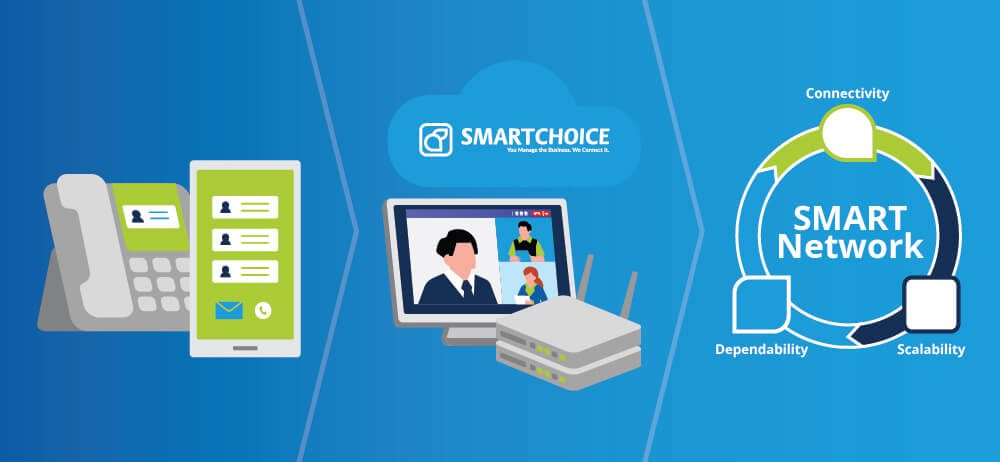
A Flexible, Phased Approach to Cloud Voice Networks
Business communication has taken a leap forward with the advent of cloud technologies. As organizations strive for efficiency and adaptability, cloud-based systems offer a compelling solution. This post explores the functionalities of cloud communications, such as SMS capabilities, softphones, and Microsoft Teams integration, to shed light on how these technologies are transforming the business landscape.
What Are Cloud-Based Communication Systems?Cloud communication systems integrate traditional telecommunication services with cloud technology, allowing businesses to manage their communication networks via the internet. These systems typically include voice, video, chat, and file sharing and collaboration services, providing a unified solution that can scale with the needs of any organization.
Key Functionalitiesand Their Benefits
Cloud-based voice systems, often referred to as VoIP (Voice over Internet Protocol) systems, offer several benefits for businesses, making them a popular choice for modern communication needs. Here are some key advantages:
Scalability: Businesses can easily scale their voice systems up or down based on current needs without significant infrastructure changes. Adding or removing users can be done quickly through software configurations, which is ideal for growing companies or those with fluctuating demands.
Flexibility and Mobility: Users can access their business phone systems from anywhere with an internet connection. This is particularly beneficial for remote or mobile workforces, allowing employees to stay connected regardless of their location.
Advanced Features: Cloud-based voice systems come with a range of features that are not typically available with traditional phone systems, such as voicemail to email, auto-attendants, call forwarding, and integration with other business applications like CRM systems.
Reliability and Continuity: Many providers offer high uptime guarantees and redundancy, which means that even if one part of the network fails, the system can still function using other components. This is crucial for business continuity planning.
Easy Integration and Updates: These systems can integrate with other cloud-based applications, providing a seamless workflow across tools. Updates and new features are often rolled out automatically by the service provider without any need for manual intervention.
Enhanced Security: With the importance of data security, modern cloud-based systems often include robust security measures such as data encryption, secure voice and video, and compliance with regulations like HIPAA for healthcare providers.
Challenge for Large Enterprises to Upgrade Existing SystemsLarge enterprises often face significant challenges when considering the elimination of their extensive, entrenched infrastructure to switch over to full cloud features. The complexity of existing systems, combined with the scale of operations, can make this transition seem daunting and risky. Concerns about disruptions, security, and cost are prevalent.
Phased Approach toCloud Integration
The unique challenges faced by large enterprises requires a more flexible and efficient solution with a phased approach to adopting cloud technologies. This approach allows businesses to gradually integrate cloud functionalities without overhauling their entire system at once.
Phase 1: Basic Integration – Starting with cloud-enabled SIP trunks to lay the groundwork. Keep existing infrastructure and ensure minimal disruption to daily operations. The user interface or experience is the same and businesses can maintain continuity without significant interruptions.
Phase 2: Incremental Addition of Cloud Features – Introducing functionalities like softphones, SMS and Microsoft Teams integrations, which enhance communication without requiring a complete infrastructure overhaul.
Phase 3: Full Transition – Once the enterprise is comfortable and ready, moving to a full cloud-based system that integrates all functionalities and phases out old systems.
This phased approach reduces the risk of operational disruptions and allows businesses to test and adapt to new technologies on their terms. SmartChoice Phased approach provides the flexibility to revert or adjust the scope of integration based on real-world experiences and feedback. The transition facilitated by a phased approach ensures minimal disruption with maximal flexibility, positioning them well for future growth and innovation.


Understanding Compliance in Business Messaging
Ensuring compliance in Business communication, including messaging, are both effective and lawful is critical. With the evolution of technology, regulatory frameworks like the 10 Digit Long Code (10DLC) system and The Campaign Registry have been developed to streamline and secure the use of SMS messaging by businesses. This blog post explores what 10DLC is, the purpose of The Campaign Registry, and why adhering to these regulations is crucial for any business engaging in application-to-person (A2P) SMS messaging.
What is 10DLC?10DLC refers to the 10 Digit Long Code, a system designed specifically for businesses to send high-volume SMS and MMS messages to their customers using a standard 10-digit phone number. This system is a response to the need for a more organized and approved method for businesses to communicate via text without relying on short codes, which can be costly, or shared long codes, which lack proper regulatory oversight.
The 10DLC system is intended to provide businesses with the ability to send messages that are not only cost-effective but also compliant with carrier policies and regulations. By using 10DLC, businesses can leverage the trust and familiarity of a standard phone number while ensuring their messaging practices meet industry standards.
The Role ofThe Campaign Registry
The Campaign Registry acts as the authoritative registry for A2P 10DLC messaging. It’s a system where businesses register their messaging campaigns to ensure compliance with mobile network operators’ standards. The registry is crucial because it helps carriers manage and monitor A2P messaging traffic, preventing spam and protecting consumers from unwanted messages.
When a business registers with The Campaign Registry, it details its brand and the use cases of its messaging campaigns. This registration helps carriers understand the nature of the messages being sent and ensures that they conform to best practices and regulations. Compliance with The Campaign Registry is vital for several reasons:
- Carrier Approval: Registration helps in gaining carrier approval for your messaging campaigns, reducing the risk of message blocking or filtering.
- Improved Deliverability: Compliant campaigns are less likely to be marked as spam, ensuring that messages reach their intended recipients.
- Avoidance of Penalties: Non-compliance can lead to hefty fines and penalties from carriers or regulatory bodies, along with potential damage to a brand’s reputation.
Non-compliance with 10DLC and The Campaign Registry can have significant implications for a business. Beyond the financial penalties, non-compliant messaging can lead to poor delivery rates, damaging the effectiveness of your communication strategy. In severe cases, carriers may block a business’s ability to send any messages at all.
Compliance is not just about avoiding penalties; it’s about building trust. Customers are more likely to engage with messages from a source that follows proper protocols and respects their privacy and preferences. By adhering to these regulations, businesses demonstrate their commitment to ethical practices and customer respect, which can enhance brand loyalty and customer satisfaction.
By embracing these compliance measures, businesses can enhance their communication strategies, protect their reputation, and ensure a seamless interaction with their audience.

Top 10 for Secure and Compliant Network Communications
Securing your organization’s communication infrastructure is more than a technical undertaking—it’s a strategic necessity. This guide distills the essential security and compliance considerations into a top-ten list, helping you protect your corporate voice and internet networks effectively.
- Embrace Encryption:
Ensure all data transmitted across your networks, including voice calls, texts, and faxes, is protected with strong encryption protocols like TLS/SRTP, fostering compliant network communication. - Secure Remote Access:
Deploy VPN solutions that provide your remote workforce with secure and reliable access to your network, maintaining privacy and data integrity. - Regular Audits and Compliance Checks:
Schedule routine security audits and compliance assessments to identify vulnerabilities and ensure adherence to regulatory standards. - Proactive Monitoring:
Implement tools and practices for real-time monitoring of your communications to detect and address potential security breaches promptly, maintaining compliant network communication. - Comprehensive Training:
Continuously educate your team on security best practices and compliance requirements to foster a culture of security awareness. - Utilize Dynamic Bandwidth Allocation:
Optimize your network’s performance and security by dynamically allocating bandwidth for different traffic types, ensuring consistent quality and reliability. - Direct Cloud Connections:
Establish direct, secure connections to cloud providers to facilitate efficient and safe data transfer, minimizing exposure to public internet risks. - Unified Communications Infrastructure:
Consolidate your voice, data, and cloud connectivity into a single network to reduce complexity and enhance security oversight. - 24/7/365 Support:
Ensure your network is supported around the clock with experienced professionals who can respond quickly to any security or operational issues. - Integration with Compliance Solutions:
Link your communication systems with compliance management tools to automate record-keeping and simplify regulatory audits.
Strengthening the security and compliance of your voice and internet networks doesn’t have to be overwhelming. By focusing on these top ten considerations, you can create a robust framework that supports your organization’s needs and protects its most critical assets, ensuring compliant network communication.

How A Healthcare Company Upgraded Their Phone System to Improve Patient Service, Save Money and Stay HIPAA Compliant

The Era of Smart Messaging
Communication technology has come a long way, evolving from simple text messages to what we now know as smart SMS/MMS Feature. This advanced form of messaging is changing how businesses interact with their customers, offering a more efficient, automated, and personalized experience. Smart messaging is more than just sending texts. It’s an advanced system that allows businesses to send and receive messages through a dedicated app. It’s a leap from traditional SMS, integrating the power of automation and personalization into every interaction.
The Advantages of Smart MessagingSmart messaging isn’t just about efficiency. It’s also about effectiveness and scalability. Here’s why it’s becoming a go-to solution for businesses:
Cost-effective: Compared to phone calls, especially on an international scale, SMS is a more affordable option. It’s a cost-effective solution for businesses looking to maximize their communication budget.
Scalability: Whether you’re reaching out to ten people or ten thousand, smart messaging scales with your needs. This ability to send messages to a large number of customers simultaneously makes it an invaluable tool for mass communication.
Measurable Results: With advanced SMS platforms, you can track how your messages are performing. Metrics like open rates, click-through rates, and responses are not just numbers; they’re insights that help you understand the effectiveness of your campaigns.
Data Analysis: Smart messaging platforms often come with the capability to analyze customer interactions. This means you can dive into data about customer preferences, purchase history, and engagement levels, enabling you to tailor your communication strategy more effectively.
Key Features of Smart MessagingAs businesses continue to seek more efficient ways to connect with their audience, smart messaging stands out by offering:
Automated Messaging: Businesses can automate messages, ensuring that important information like promotions, tips, or alerts is delivered to their customers timely and efficiently.
Customer Engagement: Smart messaging isn’t just for sending information; it’s also for engaging with customers. Businesses can use it to run promotions, improve customer service, or even gather feedback through survey links.
Personalization: With smart messaging, enterprises can tailor their communication to fit the unique needs and preferences of each customer, making every message more relevant and impactful.
The Role of Smart Messaging in BusinessSmart messaging is becoming an essential tool for enterprises aiming to strengthen their connection with customers. It’s more than a communication platform; it’s a versatile tool that can be used for:
Sending Automated Reminders: Ensuring that customers are always informed and up-to-date.
Marketing and Promotions: Running targeted campaigns to boost sales or brand awareness.
Customer Support: Providing timely assistance and resolving issues swiftly.
Information Dissemination: Sharing valuable tips, news, or updates to keep the customer base informed and engaged.
The Future of Smart MessagingAs we look forward, the potential of smart messaging in transforming business communication is immense. Here’s what the future may hold:
Integration with Advanced Technologies: The integration of technologies like 5G and IoT will make smart messaging more robust, allowing for seamless communication across various platforms and devices.
Enhanced Personalization: Future smart messaging systems will leverage AI and ML to understand and predict customer needs more accurately, offering personalized content that resonates with each individual.
Improved Security Measures: With the increasing reliance on digital communication, the importance of data security cannot be overstated. Future smart messaging solutions will come equipped with advanced security features to protect sensitive information.
Interactive Elements: The inclusion of rich media and interactive elements in messages will make communication more engaging, providing a richer experience for customers. The landscape of business communication is evolving, and smart messaging is at the forefront of this transformation. By offering automated, personalized, and interactive communication solutions, smart messaging is setting a new standard in customer engagement. As technology advances, we can only expect these solutions to become more sophisticated, driving the future of business communication towards greater efficiency and personalization.
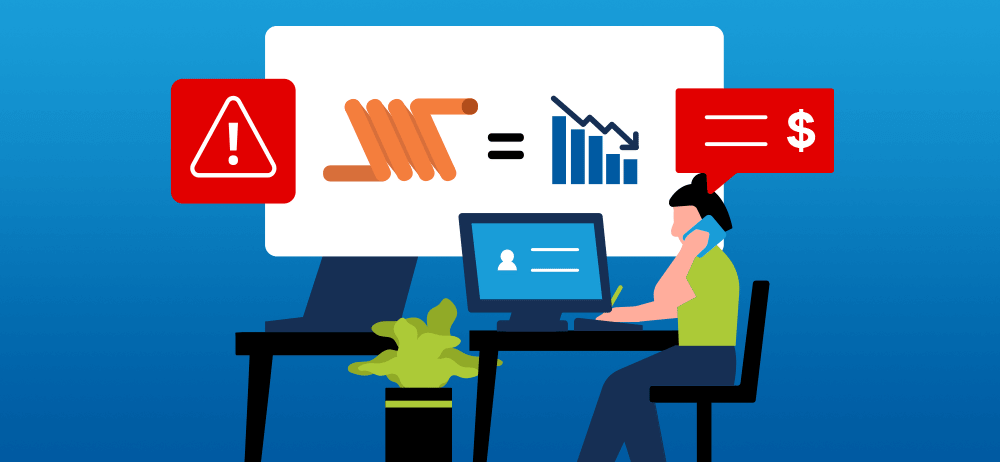
Is Your Provider Decommissioning Their Copper Lines?
Did you know that traditional copper lines are being phased out by many telecommunications providers? The move to more advanced technologies like Enhanced Plain Old Telephone Service (EPOTS) and Softphones represents a major shift in business communications. If your business is affected, identifying the right Copper Lines Decommission Solution can help you transition seamlessly while embracing modern, efficient systems.
The Obsolescence of Copper LinesFor decades, copper lines served as the backbone of business communications, but this legacy technology is becoming outdated. Rising maintenance costs, limited functionality, and mandatory upgrades imposed by service providers are accelerating the shift. Businesses now face a critical decision: how to replace these outdated systems effectively. A Copper Lines Decommission Solution ensures a smooth transition while minimizing disruptions to operations.
The Emergence of EPOTS and SoftphonesModern solutions like EPOTS and Softphones are redefining communication. While EPOTS offers an upgrade from traditional systems, Softphones are revolutionizing business communication with their flexibility and feature-rich interfaces. A Softphone functions as a software-based phone, providing businesses with a cost-effective, mobile, and scalable alternative.
The Benefits of SoftphonesCost-Effectiveness: Compared to traditional systems, Softphones reduce costs significantly, as seen in the case of uniQure, which experienced a 30% reduction in communication expenses.
Flexibility and Mobility: Softphones allow employees to make and receive calls from anywhere, supporting the growing trend of hybrid work.
Advanced Features: Features like voicemail-to-email, call forwarding, and seamless integration with other business tools enhance productivity.
Scalability: Softphones easily adapt to a business’s changing needs.
The uniQure Case StudyUniQure’s experience highlights the value of planning and implementing the right Copper Lines Decommission Solution. Facing rising costs and an outdated system, uniQure partnered with SmartChoice and telecom specialists Abadi Group to implement a cutting-edge communication solution.
The transition to Softphones involves careful planning and consideration of potential challenges. For uniQure, this meant eliminating redundant hardware and ensuring a smooth changeover to avoid disrupting operations.
UniQure’s experience highlighted the importance of a tailored approach. The switch to SmartChoice UCaaS plus Microsoft Teams not only streamlined their communication but also aligned with their hybrid work model, showcasing the versatility of Softphones.
ConclusionThe decommissioning of copper lines marks a new era in business communications. Forward-thinking businesses are embracing technologies like Softphones and EPOTS, backed by a reliable Copper Lines Decommission Solution, to future-proof their systems.
UniQure’s success story underscores the benefits of making the switch: cost savings, flexibility, and operational efficiency. As more businesses take this leap, the transition to modern, scalable communication platforms is proving to be not just a smart choice—but a necessary one.
Get familiar with SmartChoice products
Watch SmartChoice communication and collaboration solutions videos to learn how our tools can transform your business productivity and connectivity.
Become a partner
Extend your offering with enterprise-grade voice and connectivity solutions, backed by our 24/7/365 support—based in the U.S.



Connect with us
Book a discovery call to discuss how we can help you consolidate, standardize, and scale your enterprise communication infrastructure.