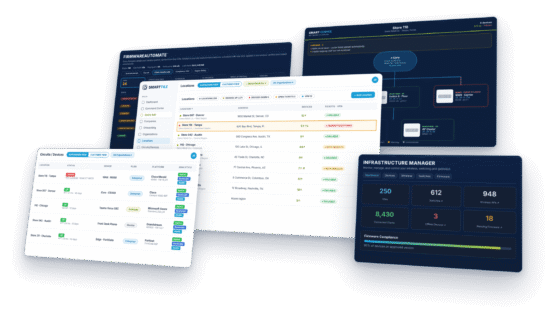
Ever add-on brings its own carriers, phone system and network, and none of them match.
In today’s rapidly evolving business landscape, the intersection of technology and finance has become increasingly vital, particularly for sectors like private equity. Managed Services Technology Providers (MSPs) play a critical role in this dynamic, offering a range of solutions that empower private equity firms to scale efficiently and effectively. This article delves into how MSPs enhance operational efficiency, drive growth, and help private equity firms navigate the complexities of technological integration.
Understanding the Role of Managed Services Providers (MSPs)
Core Services Offered by MSPs
Managed Services Providers offer a variety of services that support businesses in managing their IT operations. These services typically include IT infrastructure management, cloud services, cybersecurity, data backup and recovery, as well as network monitoring. By outsourcing these functions to MSPs, private equity firms can focus on their core competencies while ensuring that their technology needs are met efficiently.
Moreover, MSPs often provide 24/7 support, allowing private equity firms to maintain continuous operations and address issues in real-time. This proactive approach not only minimizes downtime but also improves system reliability, which is essential for firms that need to respond swiftly to market changes.
Benefits of Partnering with MSPs
Partnering with MSPs brings numerous advantages for private equity firms. One of the most significant benefits is cost-effectiveness. By utilizing the expertise and resources of an MSP, firms can reduce the expenses associated with hiring and training in-house IT personnel. Additionally, MSPs can offer scalable solutions that grow with the firm, ensuring that technology investments align with business expansion.
Another key benefit is access to advanced technologies and specialized skills. MSPs are often at the forefront of technological innovations, allowing private equity firms to adopt new tools and systems more swiftly than they could on their own. This gives firms a competitive edge in a marketplace that increasingly relies on data and digital solutions.
MSP’s Impact on Operational Efficiency
The operational efficiency of a private equity firm can significantly improve through the services of an MSP. By streamlining IT processes and automating routine tasks, MSPs enable firms to reduce the time and resources spent on technology management. This not only frees up internal teams to focus on strategic initiatives but also enhances overall productivity across the organization.
Furthermore, the integration of managed services can lead to improved communication and collaboration within teams, especially in firms that operate in multiple locations or sectors. The centralized management of IT systems allows for a consistent approach to operations, fostering a unified corporate culture and enabling better decision-making.
Key Areas Where MSPs Facilitate Growth for Private Equity
IT Infrastructure Management
IT infrastructure management is a cornerstone of the services provided by MSPs. This includes the management of servers, networks, and storage systems, which are essential for the daily functions of any private equity firm. By ensuring that these components are effectively managed and optimized, MSPs help firms avoid costly disruptions and maintain operational continuity.
Additionally, MSPs can facilitate the transition to cloud-based solutions, which offer flexibility and scalability that are crucial for growing private equity firms. Leveraging cloud infrastructure allows firms to access resources and data from anywhere, leading to improved collaboration among team members and greater agility in responding to market demands.
Cybersecurity Solutions
As cyber threats continue to evolve, cybersecurity has become a paramount concern for private equity firms. MSPs provide comprehensive cybersecurity solutions that safeguard sensitive financial data and protect against breaches that could lead to significant financial loss and reputational damage. These solutions often include threat detection, incident response, and employee training on security best practices.
Moreover, the implementation of robust cybersecurity measures not only helps in compliance with regulatory requirements but also enhances trust with investors and stakeholders. A strong security posture can be a selling point when attracting new clients and partners in the competitive private equity landscape.
Data Analytics and Insights
Data analytics has emerged as a powerful tool for private equity firms looking to gain insights into market trends, investment opportunities, and operational performance. MSPs can provide advanced data analytics solutions that aggregate and analyze large volumes of data, enabling firms to make informed decisions based on real-time information.
With the ability to harness data effectively, private equity firms can identify profitable investments, optimize portfolio performance, and enhance reporting capabilities. This strategic use of data not only drives growth but also positions firms as knowledgeable leaders within their respective markets.
Compliance and Regulatory Support
Another critical area where MSPs can support private equity firms is in compliance and regulatory matters. Given the complex regulatory environment surrounding the financial sector, having a partner that understands compliance requirements is invaluable. MSPs can assist with ensuring that IT systems meet industry regulations, thereby reducing the risk of penalties and operational disruptions.
MSPs can also provide ongoing monitoring and reporting services that keep firms informed of their compliance status. This proactive approach helps private equity firms remain ahead of regulatory changes and maintain the integrity of their operations.
Challenges and Considerations in Choosing an MSP
Evaluating MSP Capabilities
Choosing the right MSP is a critical decision for private equity firms. A thorough evaluation of potential MSPs should include an assessment of their technical capabilities, industry experience, and service offerings. Firms should look for MSPs that have specific expertise in the financial sector and can demonstrate a history of successful collaborations.
Additionally, firms should consider the scalability of the MSP’s solutions to ensure they can accommodate future growth. An MSP that offers flexible, customizable services will be better positioned to meet the evolving needs of a private equity firm over time.
Integration with Existing Systems
Another challenge to consider is the integration of managed services with existing IT systems. It is essential that the MSP can seamlessly integrate their solutions with the firm’s current infrastructure to avoid potential disruptions. A well-defined integration plan is critical to ensure a smooth transition and maintain operational continuity.
Firms should also evaluate the MSP’s approach to change management, including how they will communicate with staff and address any concerns that may arise during the transition process. Effective communication and training are key to ensuring that employees are comfortable with the new systems and processes.
Cost vs. Value Analysis
When evaluating potential MSPs, private equity firms must conduct a cost versus value analysis. While it’s important to consider the financial implications of partnering with an MSP, the focus should also be on the value that the partnership brings to the firm. This includes evaluating the potential return on investment (ROI) from improved efficiency, security, and scalability.
Firms should seek to understand the long-term benefits of managed services, including reduced operational costs, improved compliance, and enhanced decision-making capabilities. By framing the partnership in terms of value rather than just cost, firms can make more informed decisions that support their strategic objectives.
The Future of Managed Services in Private Equity
Trends Shaping the Industry
The managed services landscape is continuously evolving, driven by technological advancements and changing business needs. One significant trend is the increasing shift toward cloud-based services, which offer enhanced flexibility and scalability for private equity firms. As more firms recognize the advantages of cloud solutions, MSPs are adapting to provide specialized cloud services tailored to the financial sector.
Another emerging trend is the rise of artificial intelligence and machine learning in managed services. These technologies enable MSPs to provide predictive analytics and automated solutions that enhance operational efficiency. By leveraging AI-driven insights, private equity firms can make faster, data-informed decisions that drive growth.
Predicted Technological Advancements
As technology continues to advance, the future of managed services will likely see even more innovations. Enhanced cybersecurity solutions, powered by AI and machine learning, will become increasingly sophisticated, providing private equity firms with robust defenses against evolving cyber threats.
Furthermore, the integration of blockchain technology is expected to revolutionize the way financial transactions are conducted and recorded. MSPs that embrace these advancements will be better positioned to offer cutting-edge solutions that meet the needs of private equity firms operating in a fast-paced, digitally driven environment.
Long-Term Strategic Benefits
Ultimately, the long-term strategic benefits of partnering with an MSP extend beyond immediate operational improvements. By leveraging managed services, private equity firms can cultivate a more agile and innovative business model that allows them to respond quickly to market changes and capitalize on new opportunities.
In addition, the partnership can lead to enhanced investor confidence as firms demonstrate their commitment to adopting best practices in technology management. This trust is crucial in the competitive landscape of private equity, where reputational capital can significantly influence success and growth.
Conclusion
Summary of Key Points
Managed Services Technology Providers play a pivotal role in supporting private equity firms as they scale operations in an increasingly complex technological landscape. From IT infrastructure management and cybersecurity to data analytics and compliance support, MSPs offer comprehensive solutions that enhance efficiency and drive growth. The successful collaboration between private equity firms and MSPs can lead to significant operational benefits, enabling firms to focus on strategic initiatives while ensuring their technology needs are met.
Final Thoughts on Scaling with MSPs
As the private equity sector continues to evolve, the importance of technology and managed services will only grow. Firms that embrace the partnership with MSPs will be better equipped to navigate challenges, capitalize on growth opportunities, and maintain a competitive edge in the market. In an era where technology is intertwined with every aspect of business, leveraging the expertise of an MSP is not just advantageous; it is essential for sustained success.